A small studio can tempt you to buy several small fixes at once: a basket for the entry, a lamp for the desk, and something decorative for the sofa. Those costs add up, yet the room may still have the same awkward route or dark work surface. A limited budget works best when each expense addresses a problem you actually notice every day.
The ideas below help you decide what to change, what to reuse, and when to stop spending. They assume one open room where the bed, living area, and sometimes the kitchen share sightlines. Keep the entrance, bathroom route, doors, and drawers usable as you plan. If you rent, also check your lease before changing any surfaces; the studio apartment ideas for renters cover reversible setups in more detail.
1. Set an All-In Budget Before Choosing Pieces
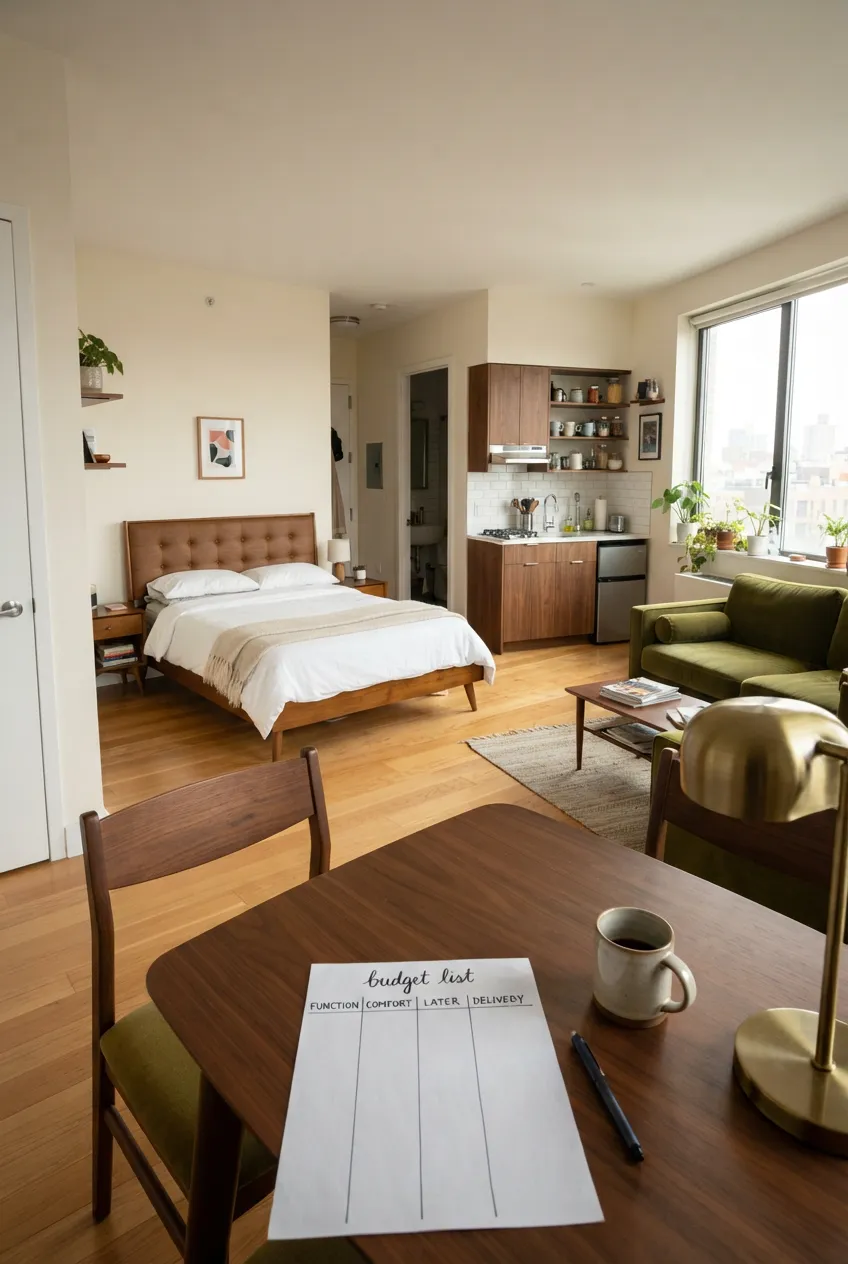
Write down the most you can spend on this round of changes, then divide it between necessary function, comfort, and optional finishing touches. Leave part of the total unassigned for delivery, supplies, or an unexpected replacement. This makes it easier to say no to a decorative bargain that uses the money needed for a working chair or reliable light.
Count sales tax, delivery, pickup, assembly materials, and removal of anything you replace. A piece that looks inexpensive on the product page may take a large share of the actual budget once it reaches your studio. The number should be based on what you can afford now, not on a perfect-room shopping list.
2. Inventory What Already Works
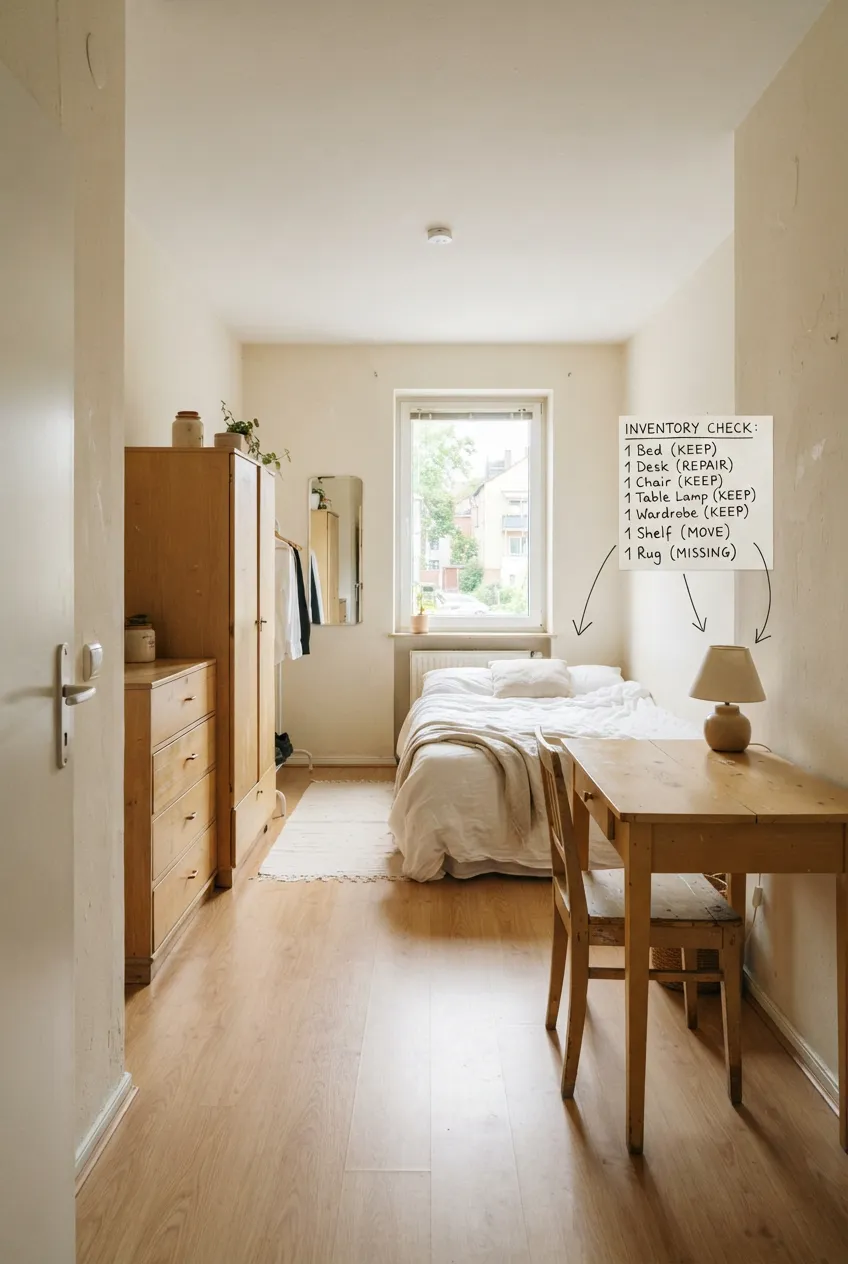
Walk through the studio and list the furniture, lighting, textiles, and containers you already use. Mark each as keep, repair, move, sell or donate, or genuinely missing. A chair that works well at the desk does not need replacing because its color differs from a new mood board.
Check condition as well as appearance. A stable table with a worn surface may be worth keeping, while an unstable shelf is not a good budget shortcut. Keep the list beside your shopping plan so you do not buy a second version of something hidden in a cabinet.
3. Rank Frustrations by How Often They Interrupt You
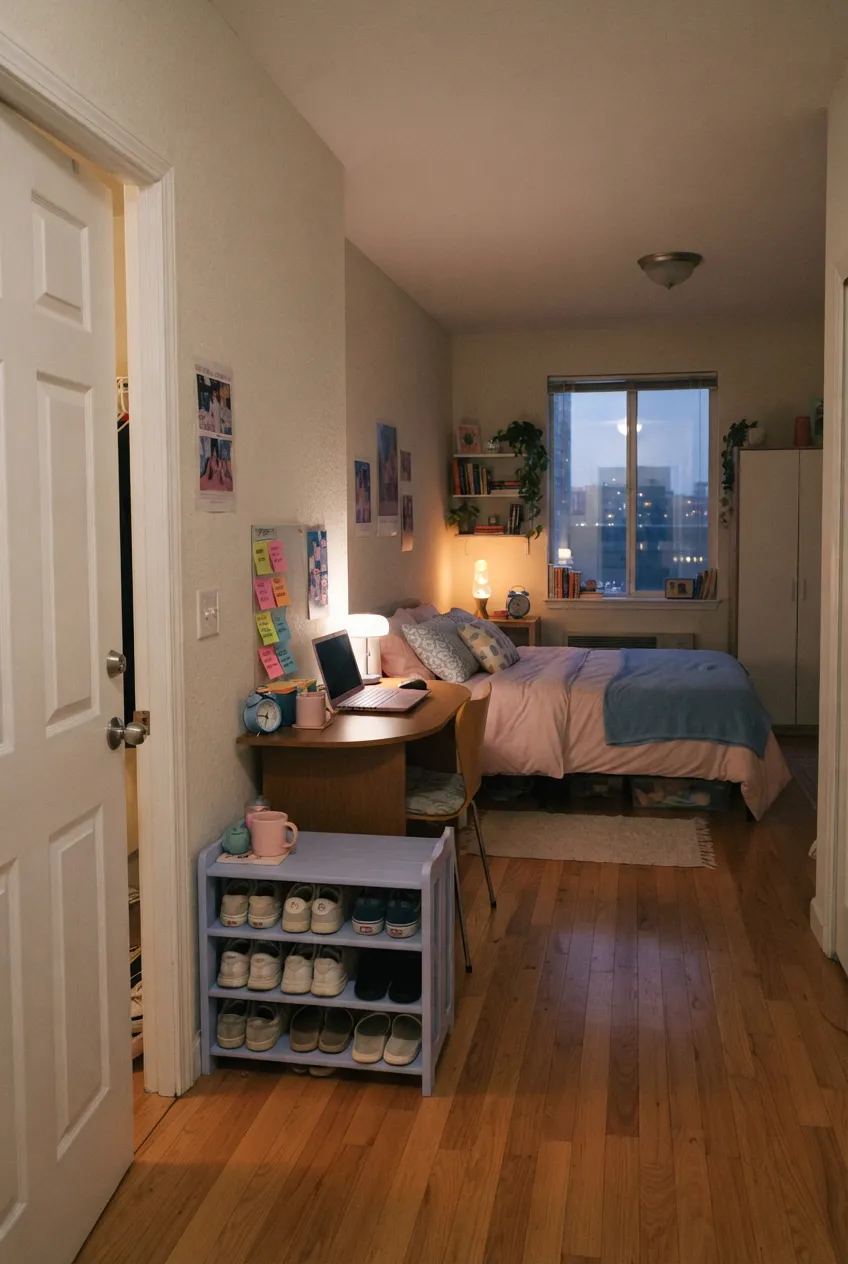
For a week, note moments when the studio is hard to use: you cannot read comfortably at night, the table is blocked at dinner, or the entry door catches a shoe rack. Rank them by frequency and impact. Spend first on the issue that affects daily life, rather than on whichever corner looks least finished in a photo.
Choose one main goal for the first round, such as a usable work surface or a clear route from the bed to the bathroom. A specific goal makes it easier to compare options and to recognize when the problem is solved. The rest of the wish list can wait.
4. Measure the Room Before Shopping a Sale
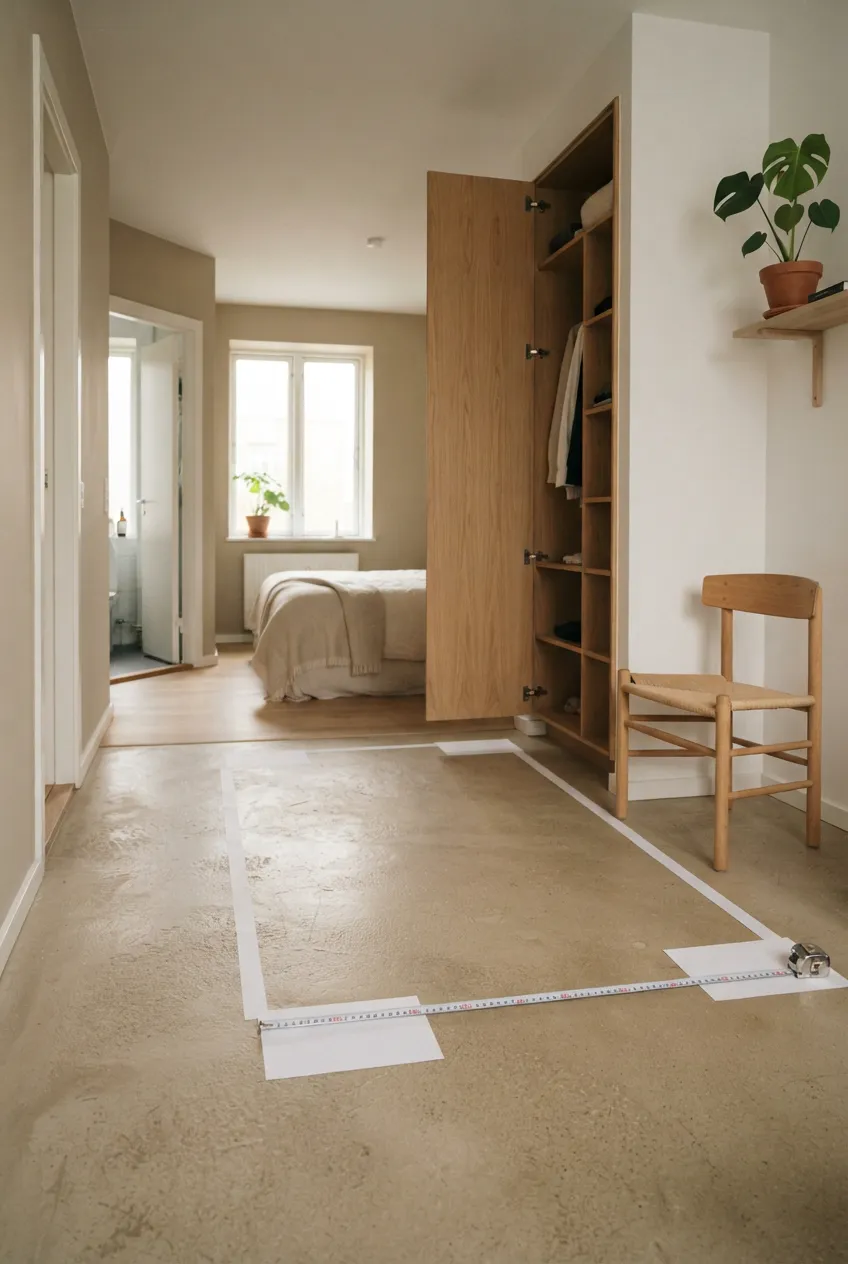
Record the dimensions of the place where a new item would sit, then measure door swings, drawer extension, chair pullback, and the route through the studio. Mark the proposed footprint on the floor with paper or surface-safe tape that you test first. Walk past it carrying a laundry basket or grocery bag.
Write down the maximum useful width and depth, not just the empty floor area. If a low-priced piece blocks a cabinet when opened, it is too costly in lost function. For a fuller arrangement guide, see the studio apartment layout ideas.
5. Rearrange Before You Buy
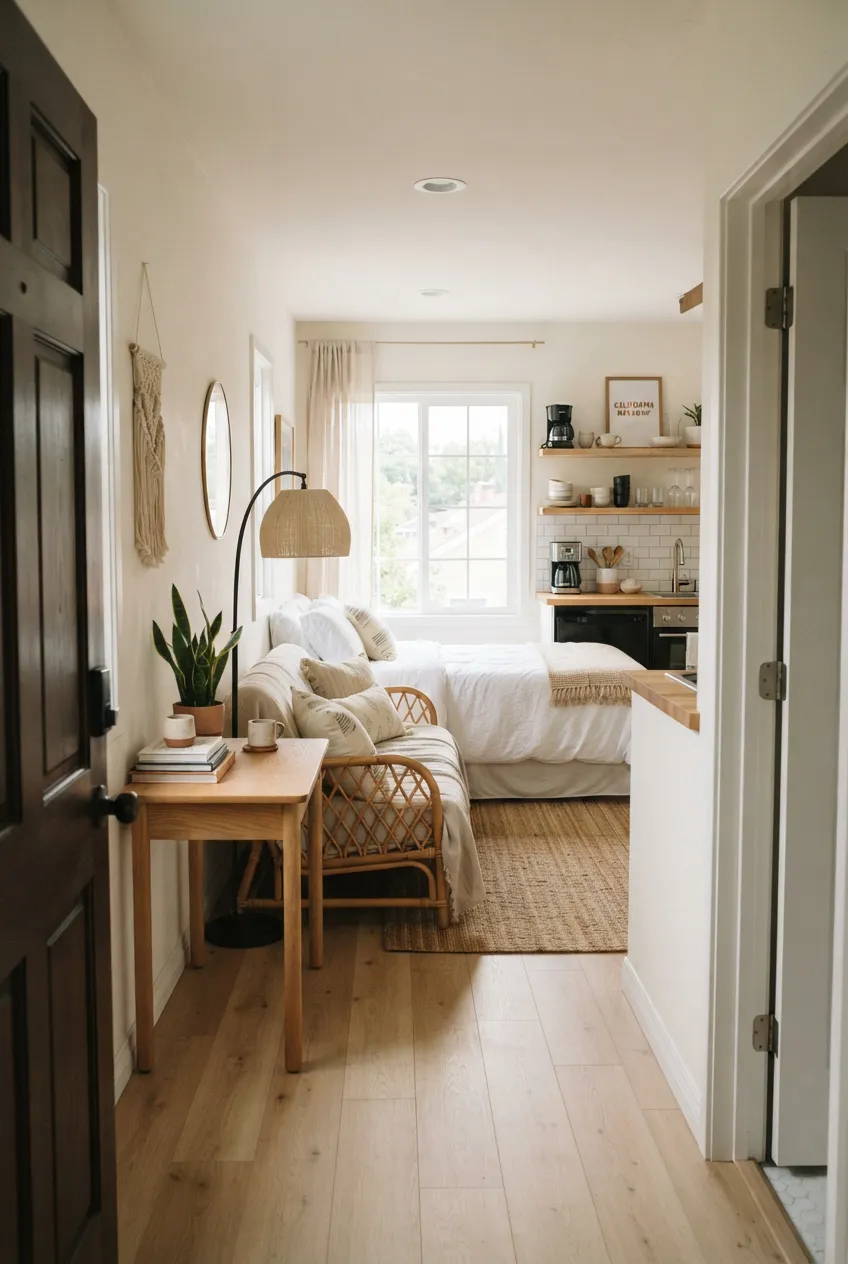
Try moving the furniture you own before deciding you need a room divider, new desk, or extra storage. Turn the table toward daylight, pull the sofa away from the main route, or move a lamp to the activity it serves. Make one change at a time and live with it for several days.
Check the whole room after each move: the bed must remain accessible, the entry and bathroom doors must open fully, and outlets should not require cords across a path. A free rearrangement can solve a problem that a new purchase would only disguise.
6. Let an Existing Piece Do a Second Job
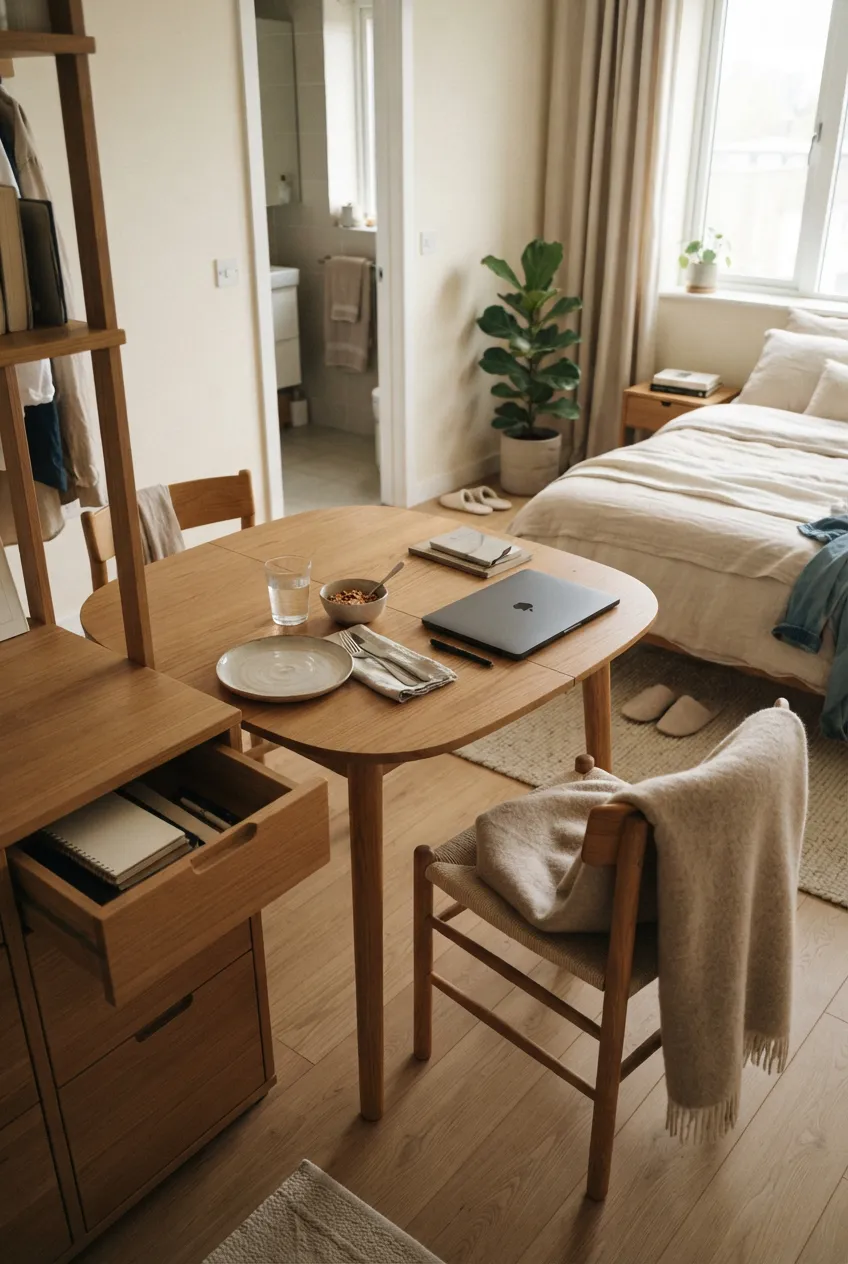
A sturdy table might serve as both dining surface and work desk at different times. A low dresser can hold clothes and give the bed a useful landing surface if its height and position suit both tasks. Give the supplies for each activity a nearby home so changing roles does not create a permanent pile.
Avoid forcing a piece into a job it cannot safely do. A wobbly side table is not a workbench, and a storage unit should be used according to its maker’s stability guidance. The savings come from making an already useful piece work harder, not from accepting daily inconvenience.
7. Buy Secondhand Only When the Fit Is Clear
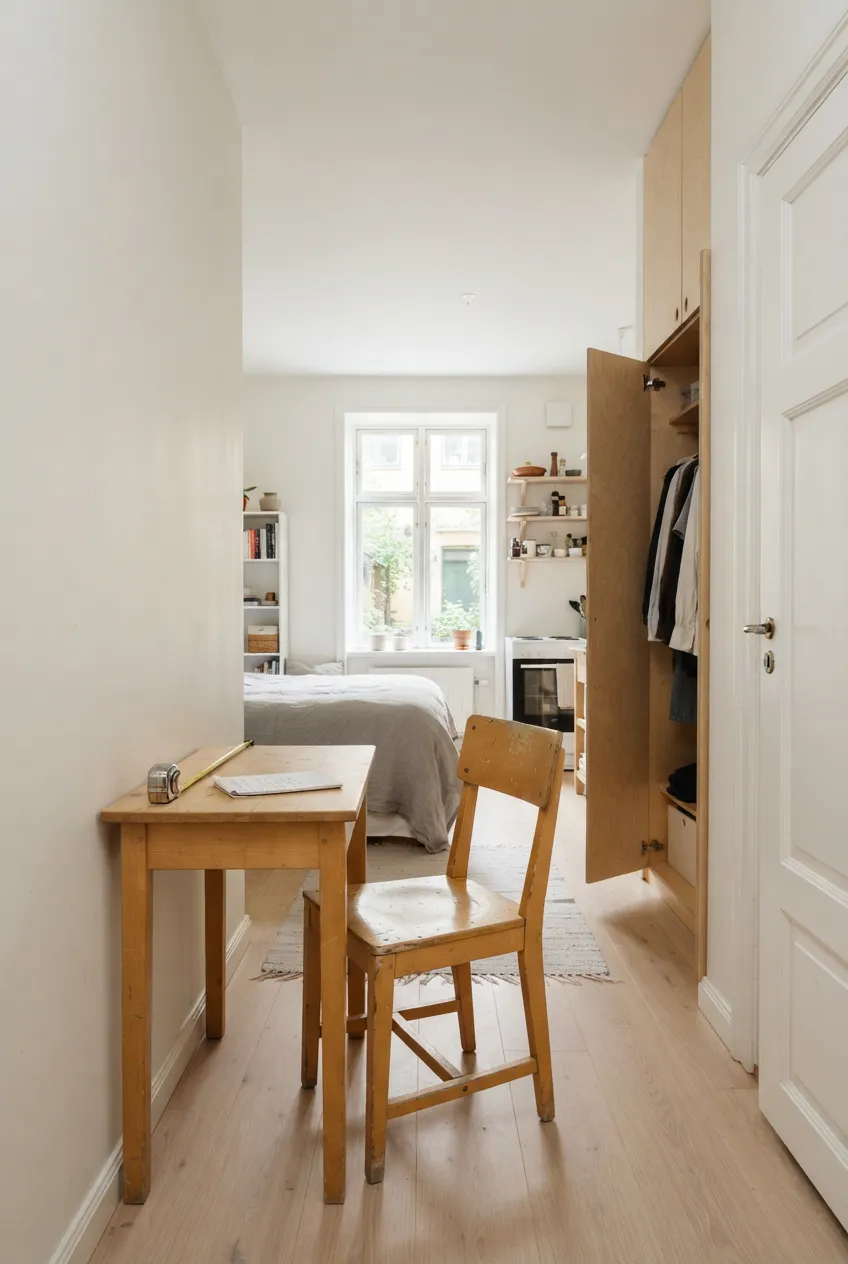
Secondhand tables, chairs, or cabinets can free budget for needs that are harder to source used. Before arranging pickup, request the full dimensions and clear photos of joints, legs, drawers, and any damage. Check that the item can travel through your building and doorway and that you have a safe way to carry it.
Test stability and moving parts in person when possible. Skip upholstered pieces that you cannot assess or clean to your standard. A bargain that needs repairs you cannot do or that blocks the studio’s only route is not a saving.
8. Compare the Total Cost of New and Used
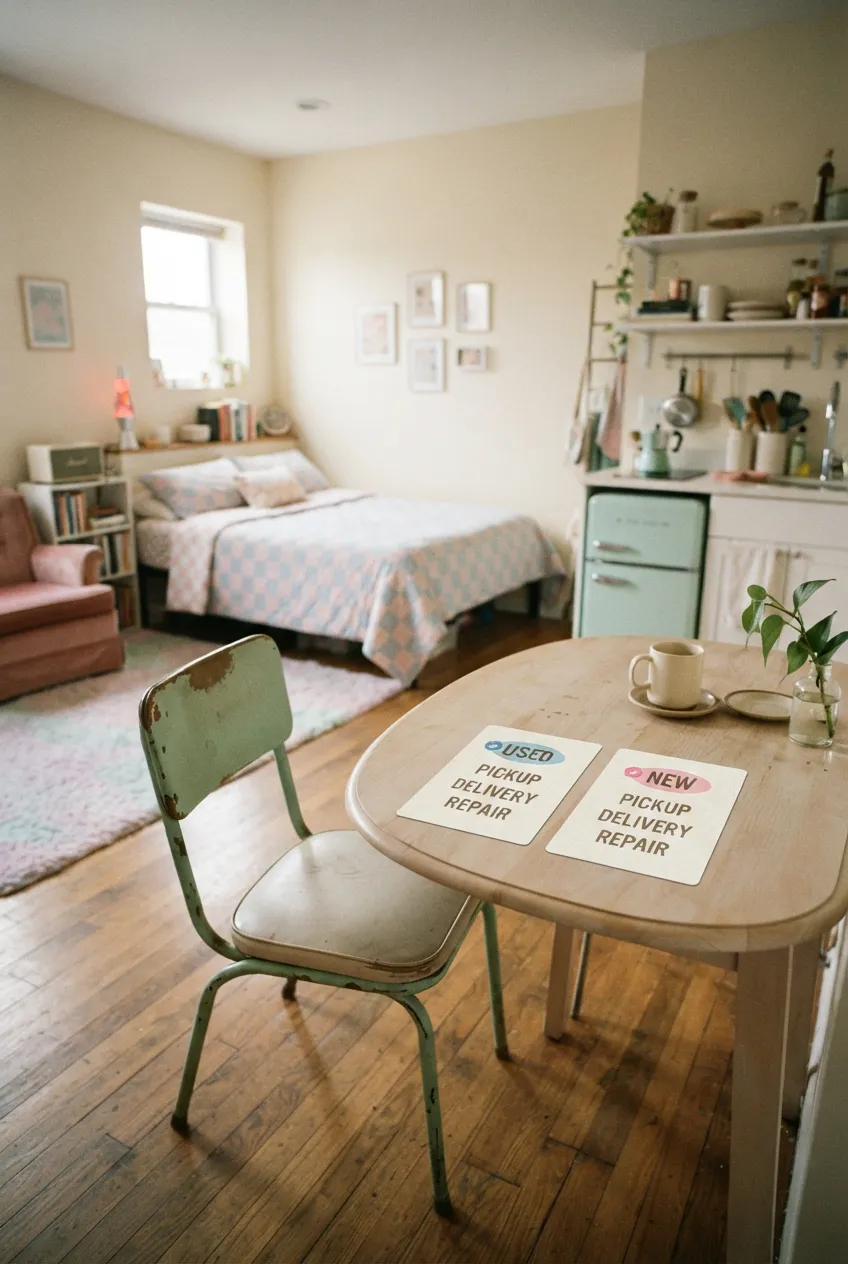
For the one item you truly need, compare its full cost from two realistic sources. Add delivery or pickup, transport, missing hardware, cleaning, and repair supplies to the used option. Add assembly or delivery to the new option. Also consider whether either can be returned if the dimensions are wrong.
Use a simple note on your phone rather than a complicated spreadsheet. The lower sticker price does not always win, especially for heavy furniture in a building with stairs. Choose the option that fits the room and your available time as well as the spending limit.
9. Light One Important Task Well
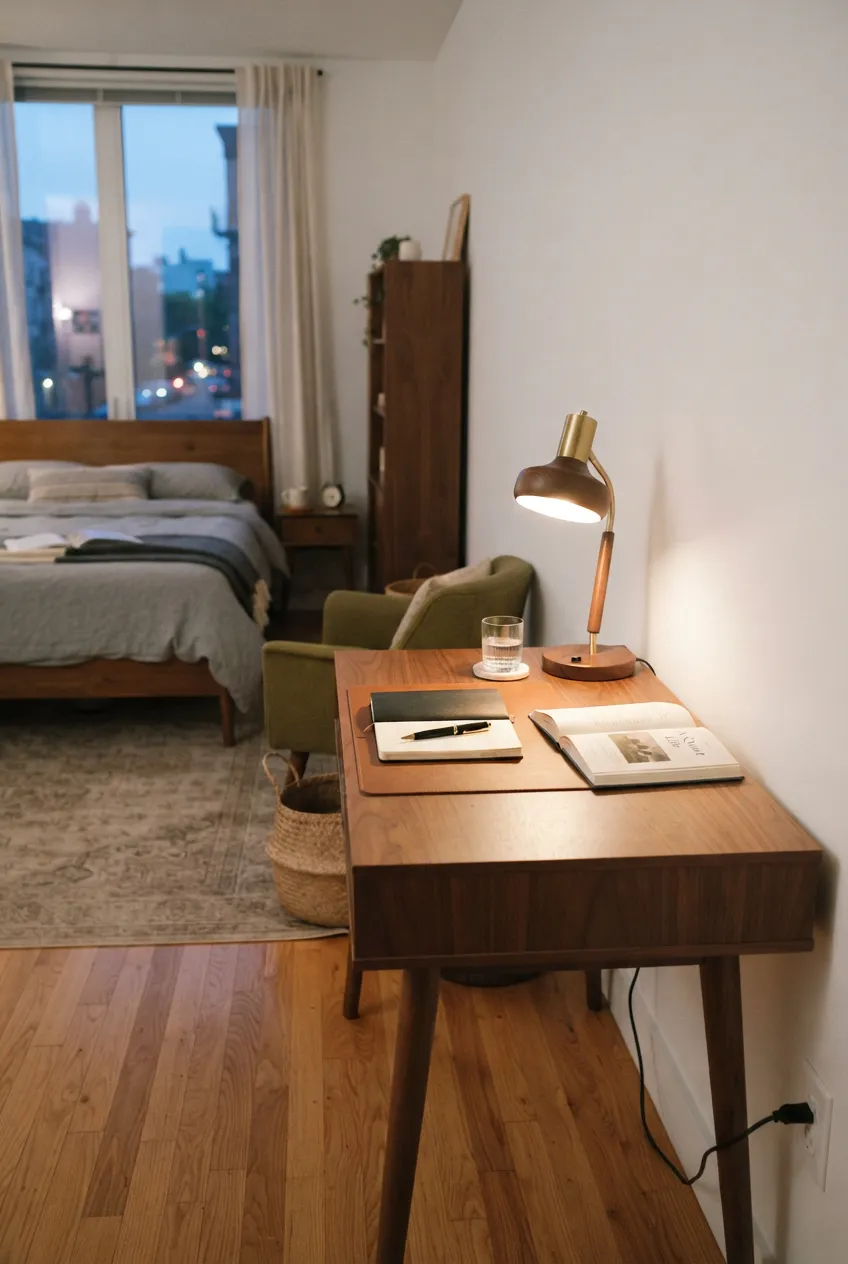
If the desk or reading spot is dim, improve that exact place before replacing lighting across the whole apartment. First try a lamp you already own in a better position. If it still does not reach the task, a compact plug-in lamp may be a more focused purchase than several decorative lights.
Measure the tabletop or bedside surface, check the outlet and cord route, and compare the lamp’s footprint, switch access, and light direction. Keep cords out of the only walking route and follow the maker’s instructions for the bulb and placement. If a new lamp is the gap you have identified, browse compact plug-in desk lamps on Amazon and compare those details before choosing one.
10. Refresh Existing Cushions With Covers
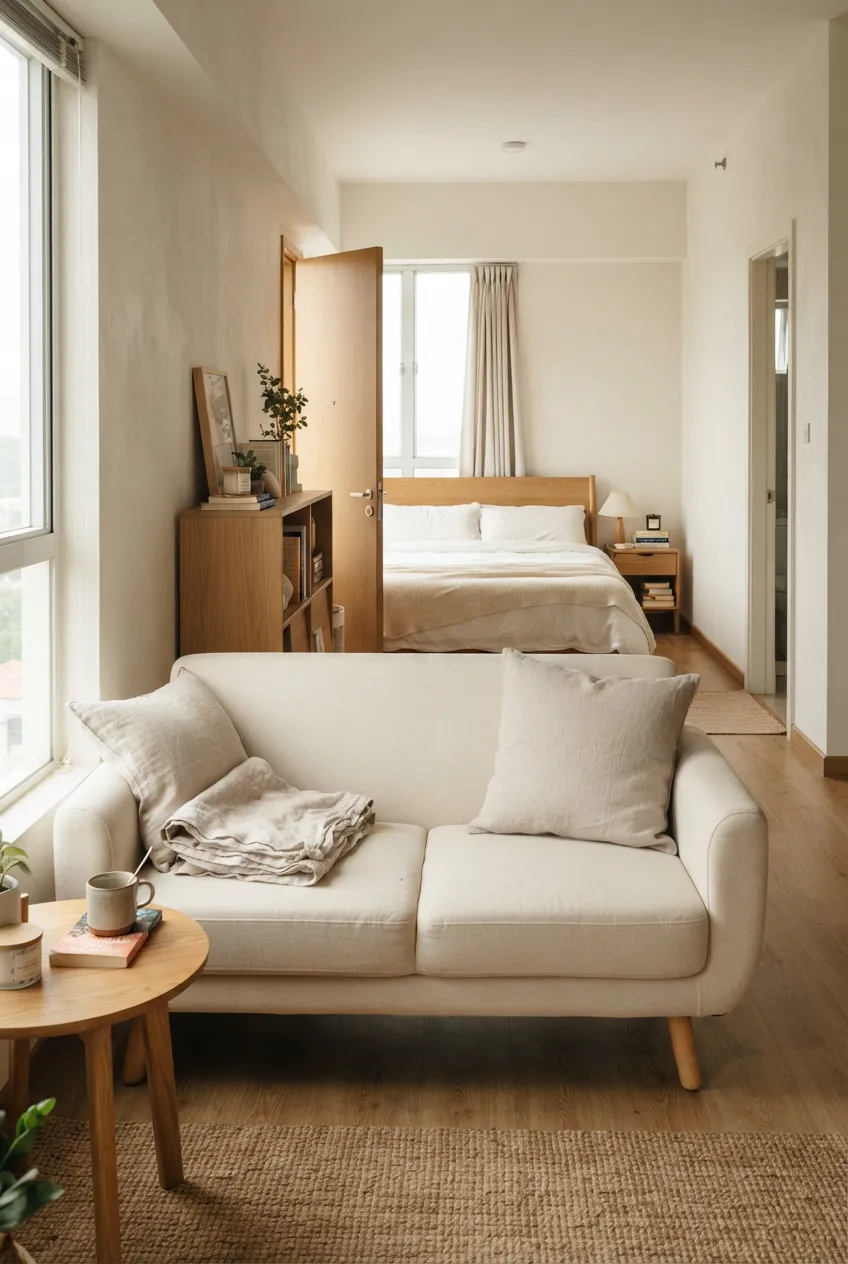
If you already have sound cushion inserts, a new cover can change the visible color of a sofa without replacing the cushions or buying more pieces. Choose one color that works with the bed and seating area, since both are visible in a studio. Reuse the inserts you have; adding several extra cushions can make the sofa less comfortable.
Measure each insert and check the cover’s size, closure, and care instructions. If the covers are the change you want, browse throw pillow covers on Amazon and compare them with your existing inserts rather than buying by the room photo alone.
11. Use Owned Art and Objects as the Finishing Layer
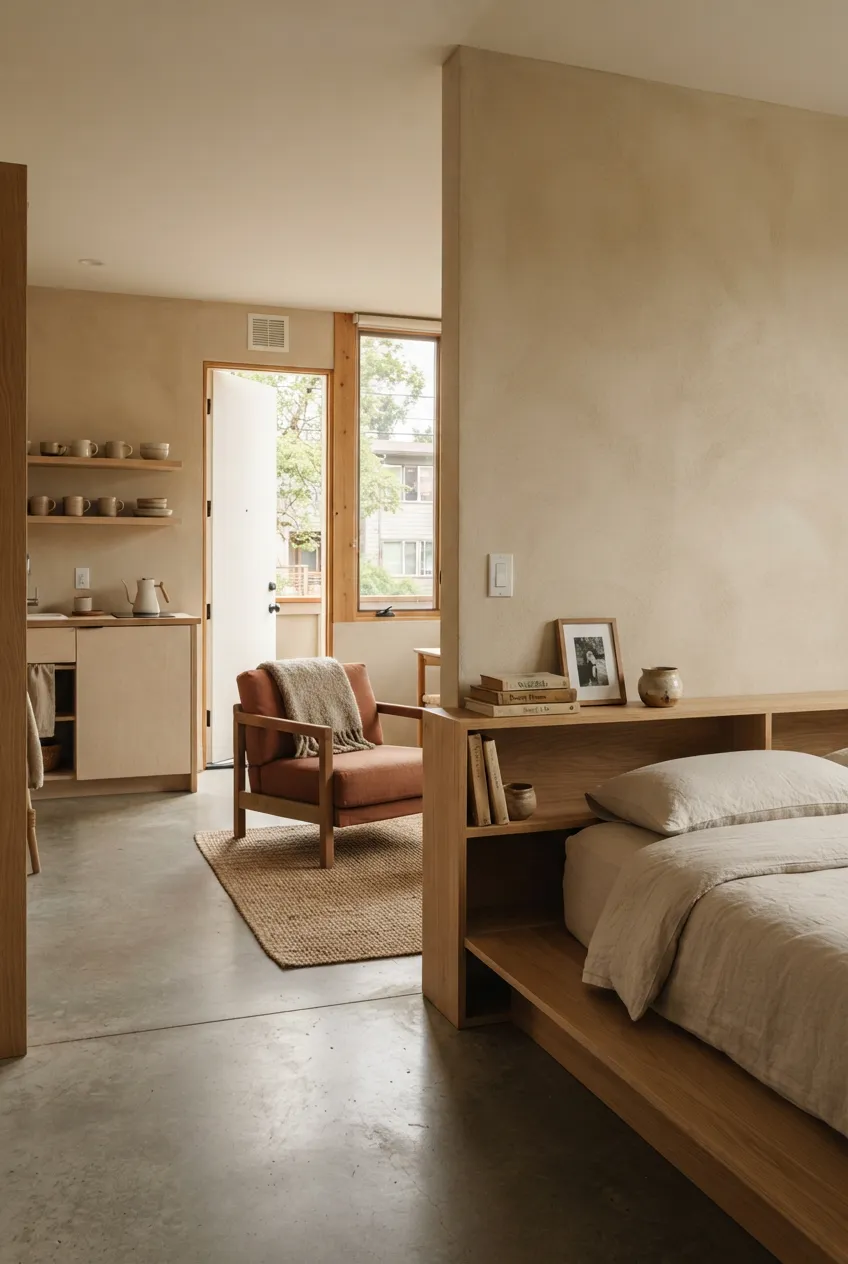
Before buying new decor, gather the prints, photos, books, and objects you already like. Try one small arrangement above or beside the seating area, using existing ledges or permitted hanging methods. Leave enough empty space for the arrangement to read as intentional in the same view as the bed and kitchen.
Choose pieces that matter to you and keep access to switches, vents, and doors. This step tests whether the room needs a purchase at all. If it does, you will know the actual size and color gap instead of collecting unrelated bargains.
12. Reuse Containers Before Buying Organizers
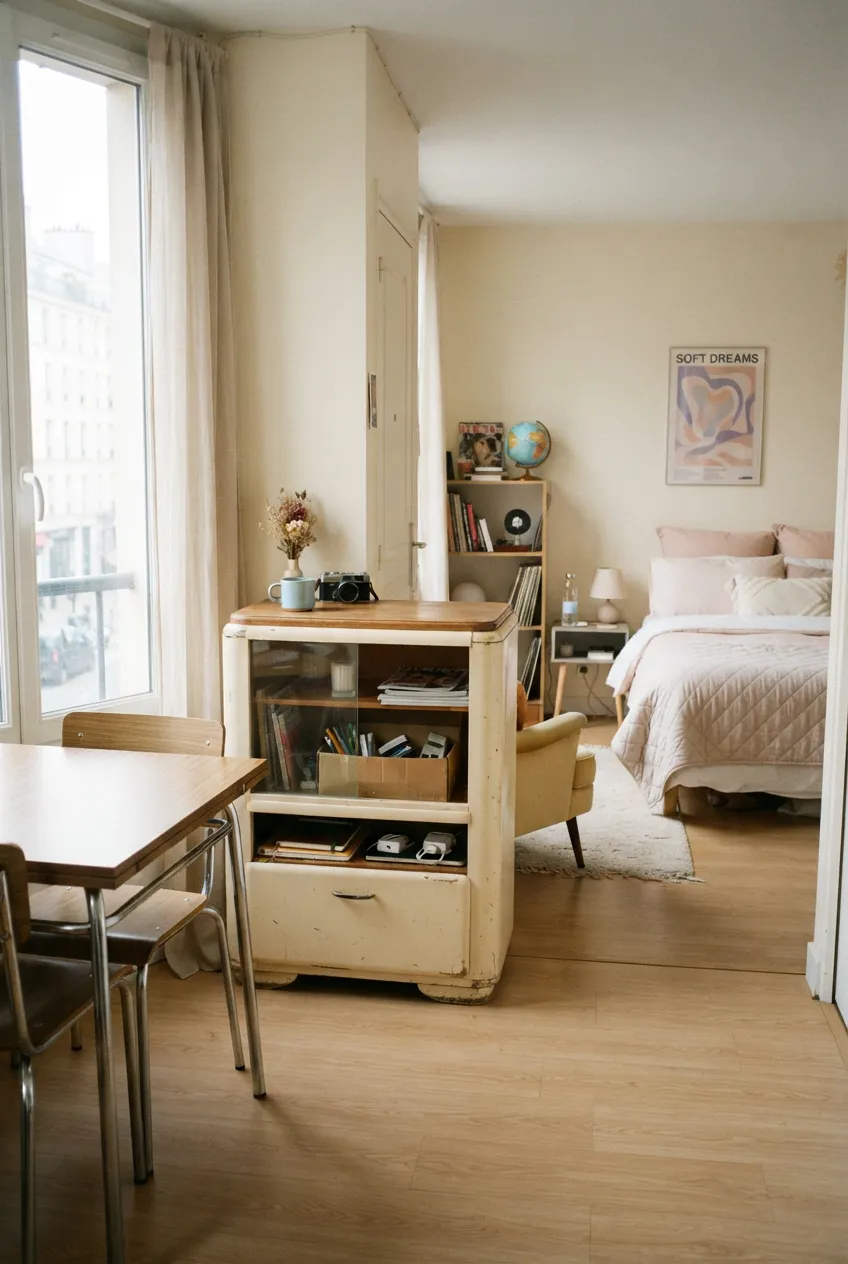
Sort the problem category first, then see whether a box, drawer, or basket you own can hold it close to where it is used. A container is useful only when its contents are clear and it fits without blocking the cabinet or passage. Reusing one prevents the budget from disappearing into a collection of small organizers.
If the category still lacks a home after the trial, record the exact internal dimensions you need before shopping. This budget step is the decision to test what you own before paying for a new container.
13. Spend More Carefully on High-Use Items
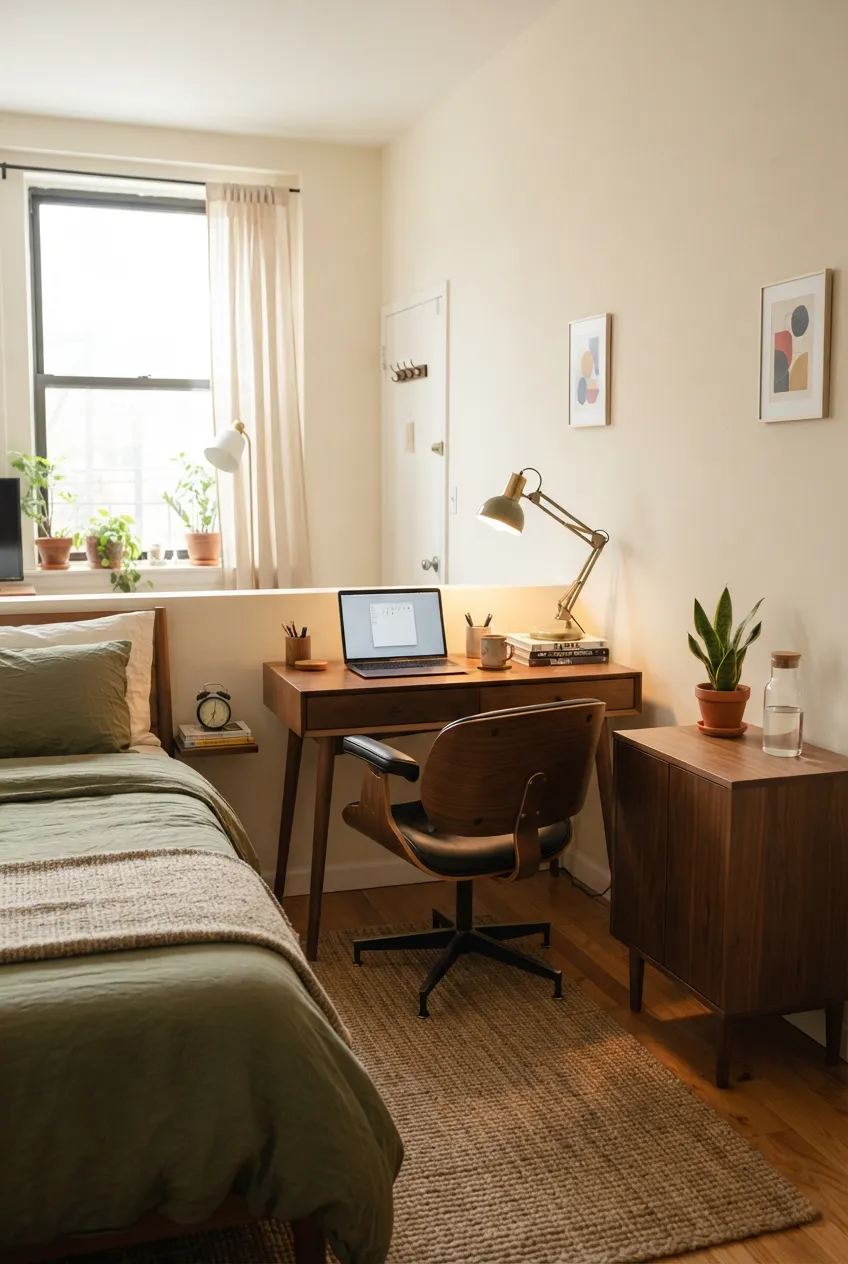
Not every item deserves the same share of the budget. A desk chair used for hours, a bed setup that supports your sleep, or a lamp used nightly may matter more than a decorative side table. Compare comfort, stability, care, and repairability for the item you use most; an attractive low price is not enough if the piece fails its daily job.
This does not mean buying the most expensive option. It means protecting money for the highest-use function and keeping low-use accessories simple or secondhand. If seating is the priority, test its dimensions and comfort before you spend on matching accessories.
14. Buy in Stages, Not in One Weekend
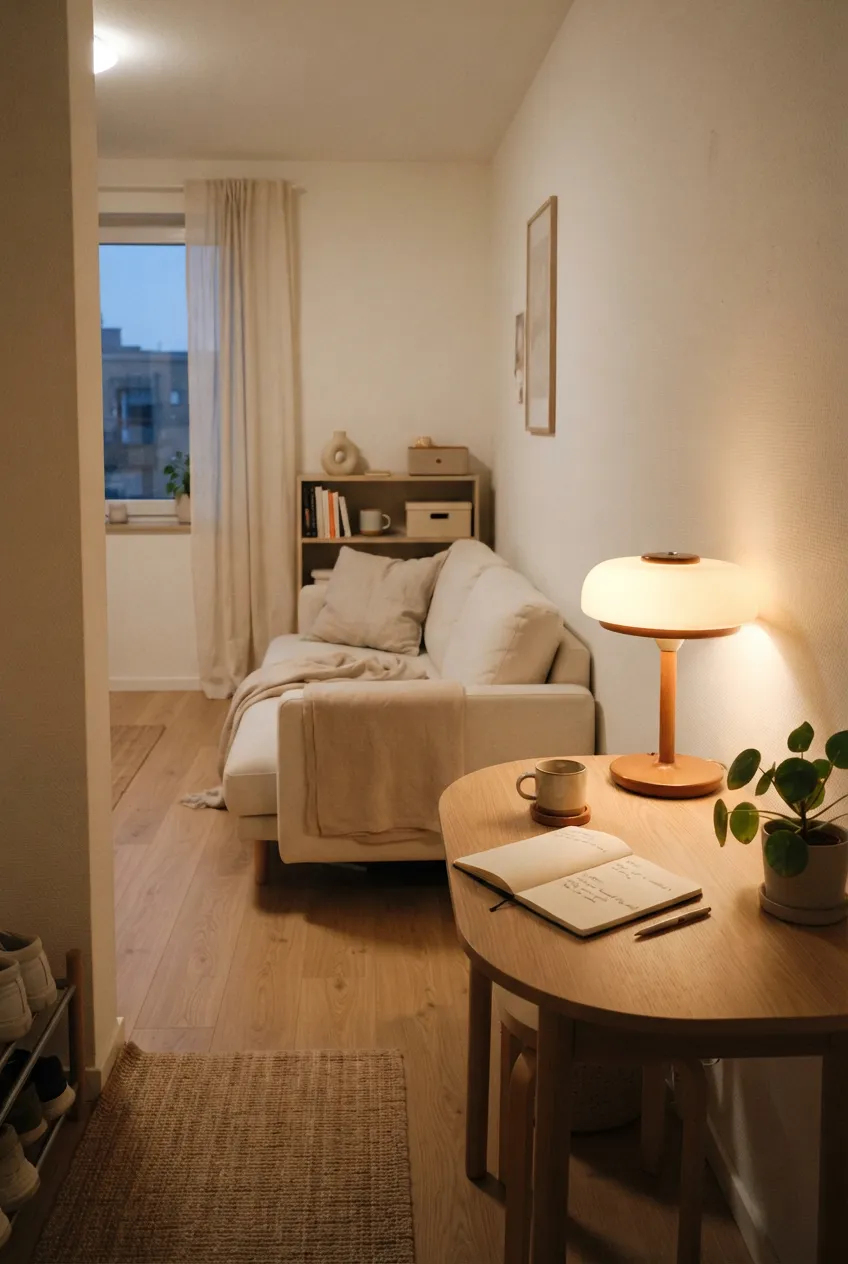
After the first change, live with the studio for a short period before placing the next order. The new arrangement may reveal that a planned purchase is no longer needed, or that a different size would work better. Keep a dated list of ideas and a place for receipts so returns remain possible within each seller’s terms.
Use the pause to check whether the entrance, bed, table, and kitchen still function well. A staged plan also spreads spending across pay periods without treating a sale deadline as a reason to rush. Do not count money you have not yet set aside.
15. Review the Result Before Spending the Rest
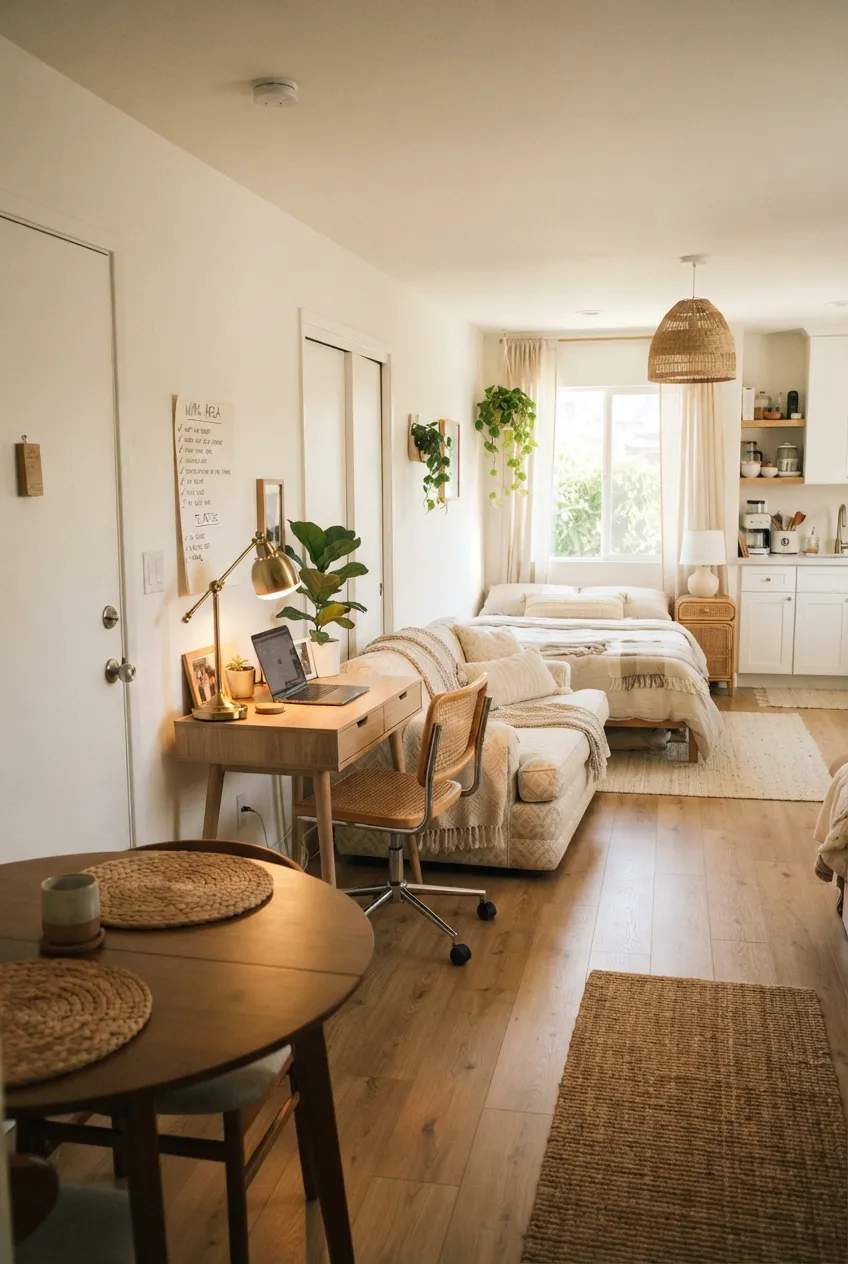
At the end of the first round, compare the room with the goal you wrote in section 3. Can you now work, eat, move through the space, or rest more easily? If so, stop buying and let the setup settle. If not, identify the exact part that still fails before using the remaining budget.
Sell or donate pieces that no longer serve the room when it is practical to do so, and keep the exit spot out of the doorway. The review turns a small budget into a series of deliberate decisions instead of an open-ended decorating project.
Final Thoughts
A budget studio does not need fifteen new things. It needs a clear order of decisions: count the full cost, reuse what works, fix the most frequent daily problem, and measure before any purchase. Start with one change, live with it, and let the next expense answer a real need. That approach keeps both the room and the budget usable.
More Studio Apartment Ideas
 | 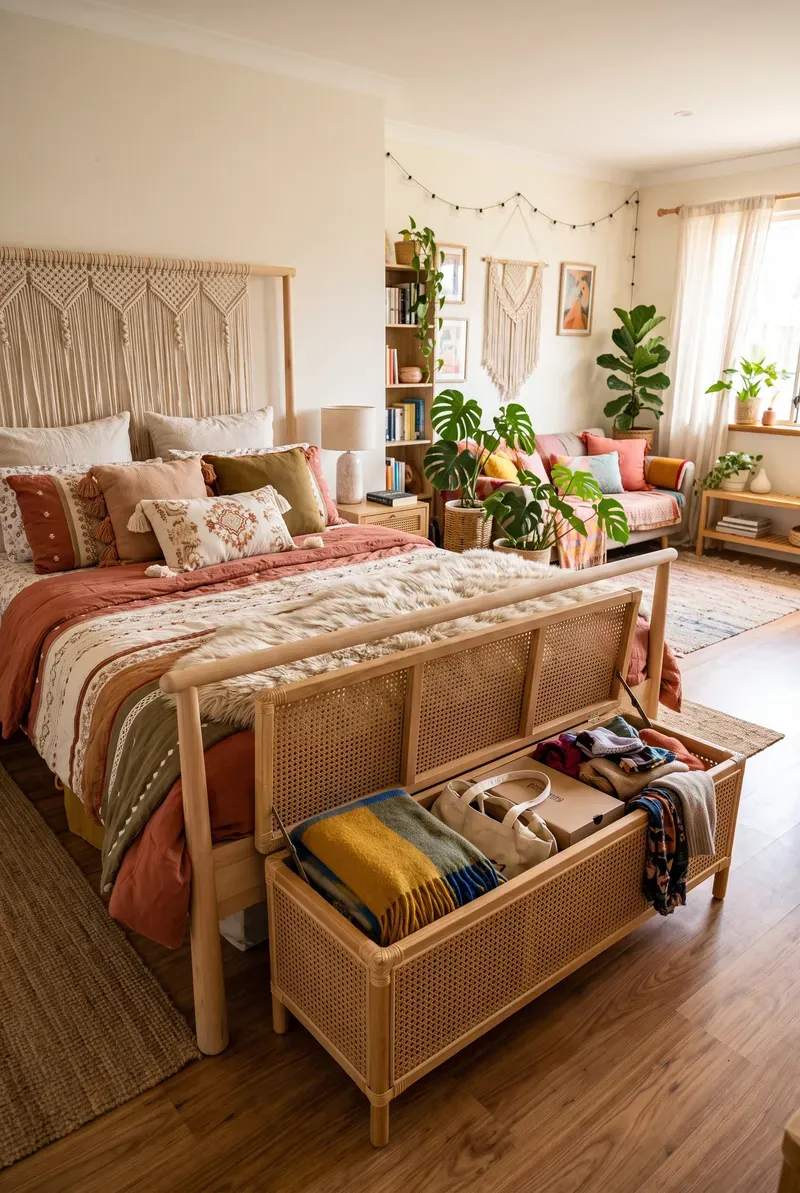 | 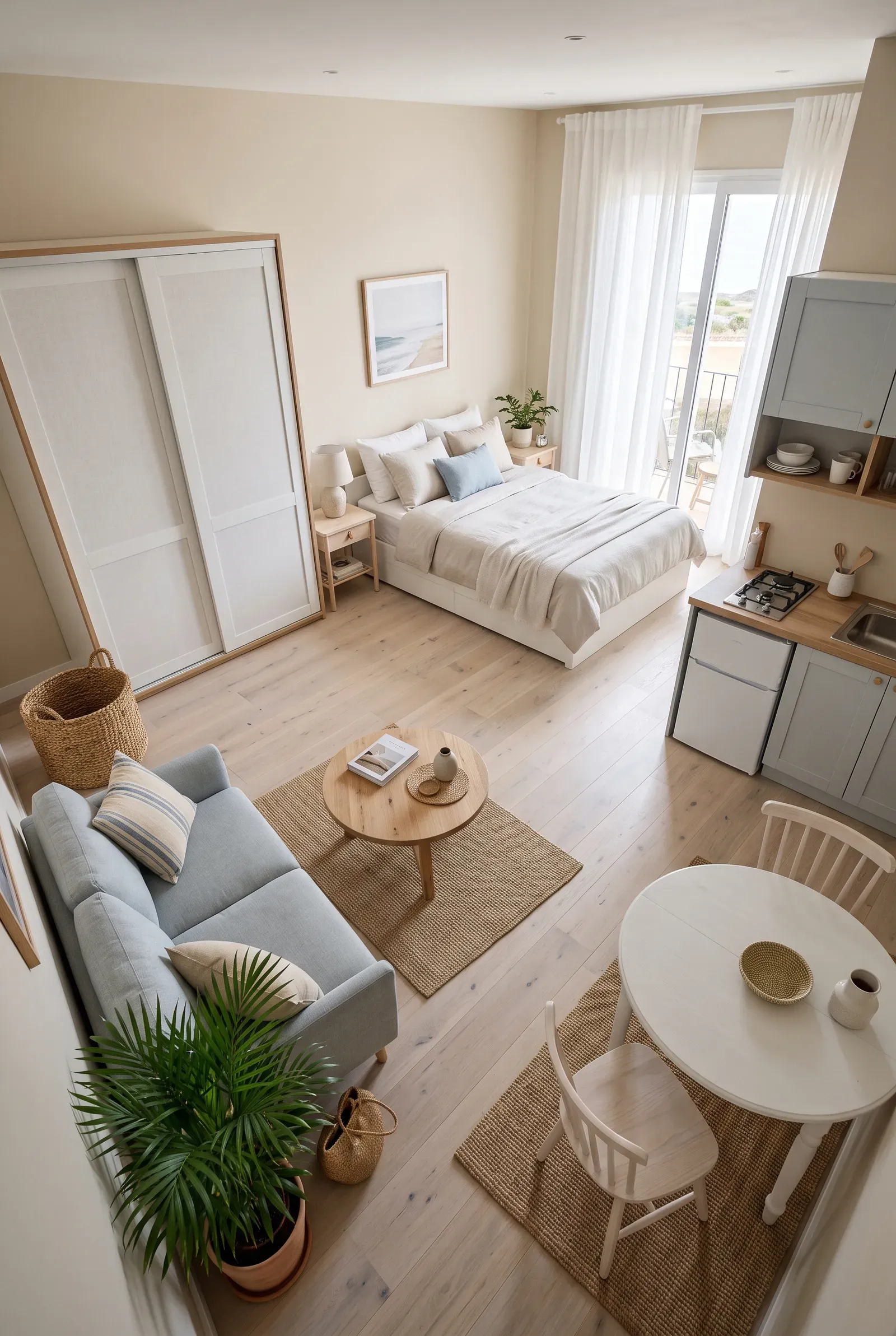 |
|---|---|---|
Portable Decor  | Storage Ideas | Studio Layouts |