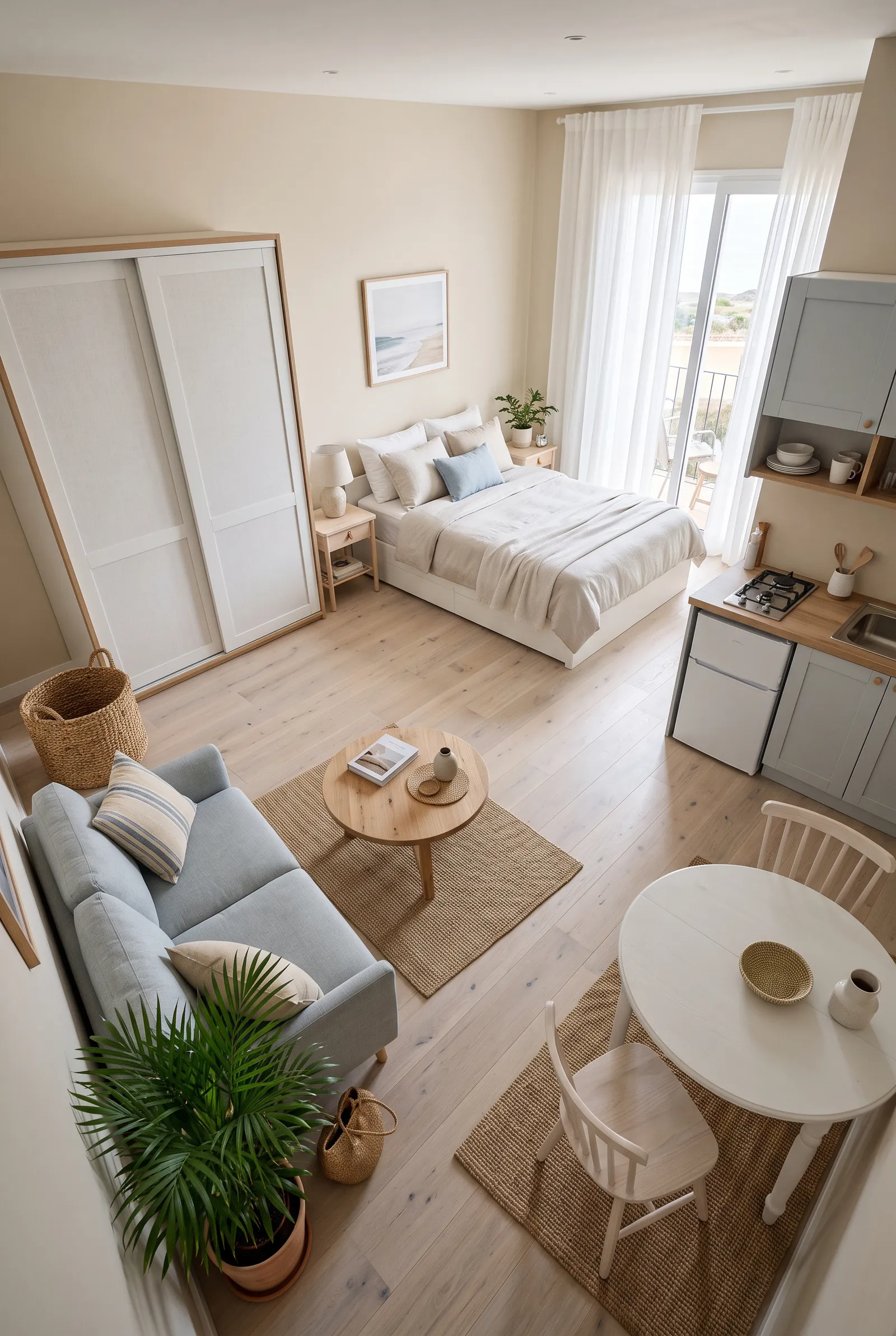
In a studio apartment, the living room is usually a portion of the same space that holds the bed, kitchen, or dining table. A sofa and television may fit on a floor plan but still leave no comfortable place to put a drink, pull out a chair, or cross the room. The goal is a sitting area that works when people actually use it, without taking over the apartment.
Start with the way you spend time there. Do you watch a screen, talk with a friend, read, or use the sofa as a second work spot? Pick the activities that matter, then measure the area with furniture pulled into its working position. These ideas focus on the living area itself. For the relationship between the bed and sofa, see the studio bed and sofa layout ideas.
1. Set the Living Area Beside the Main Route
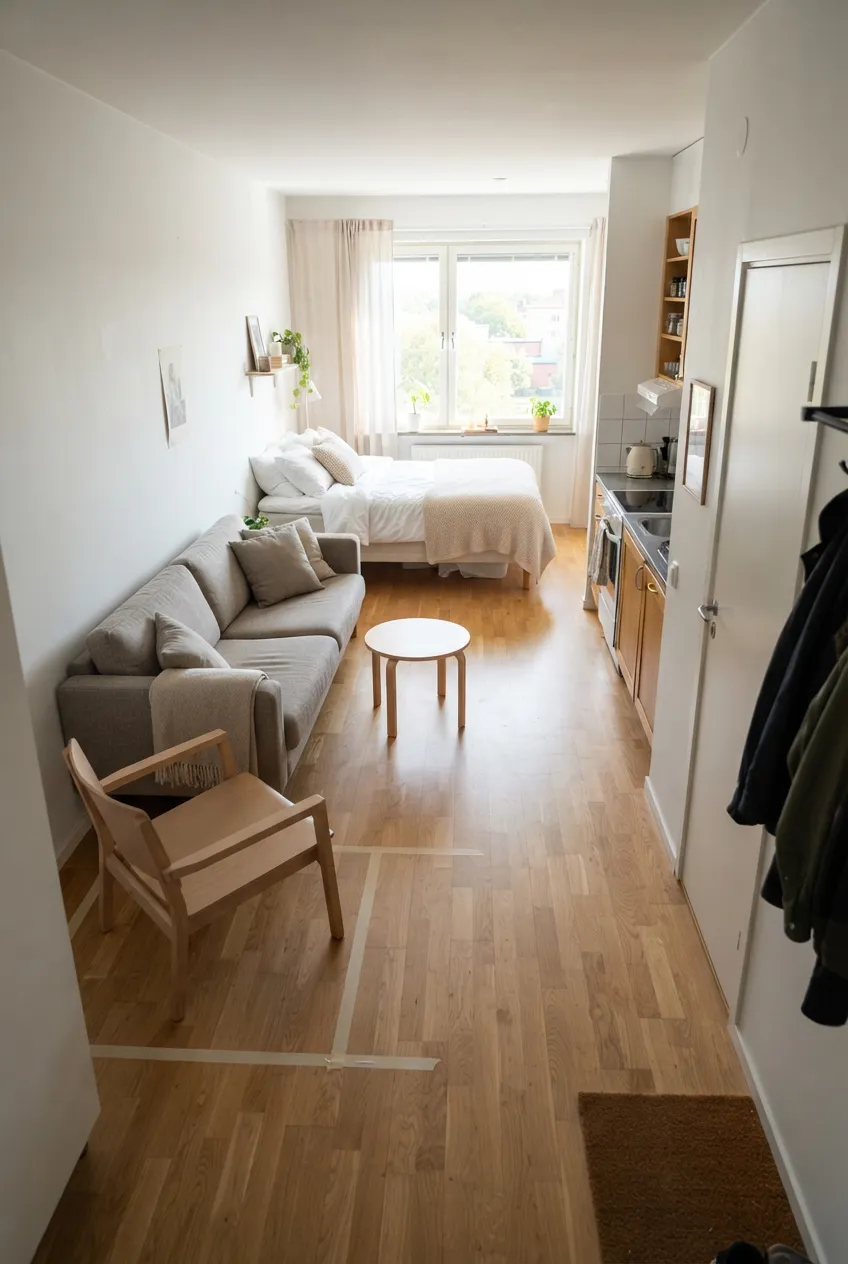
Choose a portion of the room where someone can sit without becoming an obstacle between the entrance, kitchen, and bathroom. A wall beside the natural route is often a better sofa location than a central spot that forces everyone to step around the coffee table. Mark the proposed sofa, chair, and table footprints on the floor before moving them.
Walk the route with a chair pulled out and another person seated. The path should stay clear in both states, and nearby doors and storage drawers must open fully. If the living zone occupies the only circulation strip, reduce the seating footprint before adding a rug or another table. The whole-room studio layout guide covers the larger plan.
2. Choose a Loveseat by Its Usable Footprint
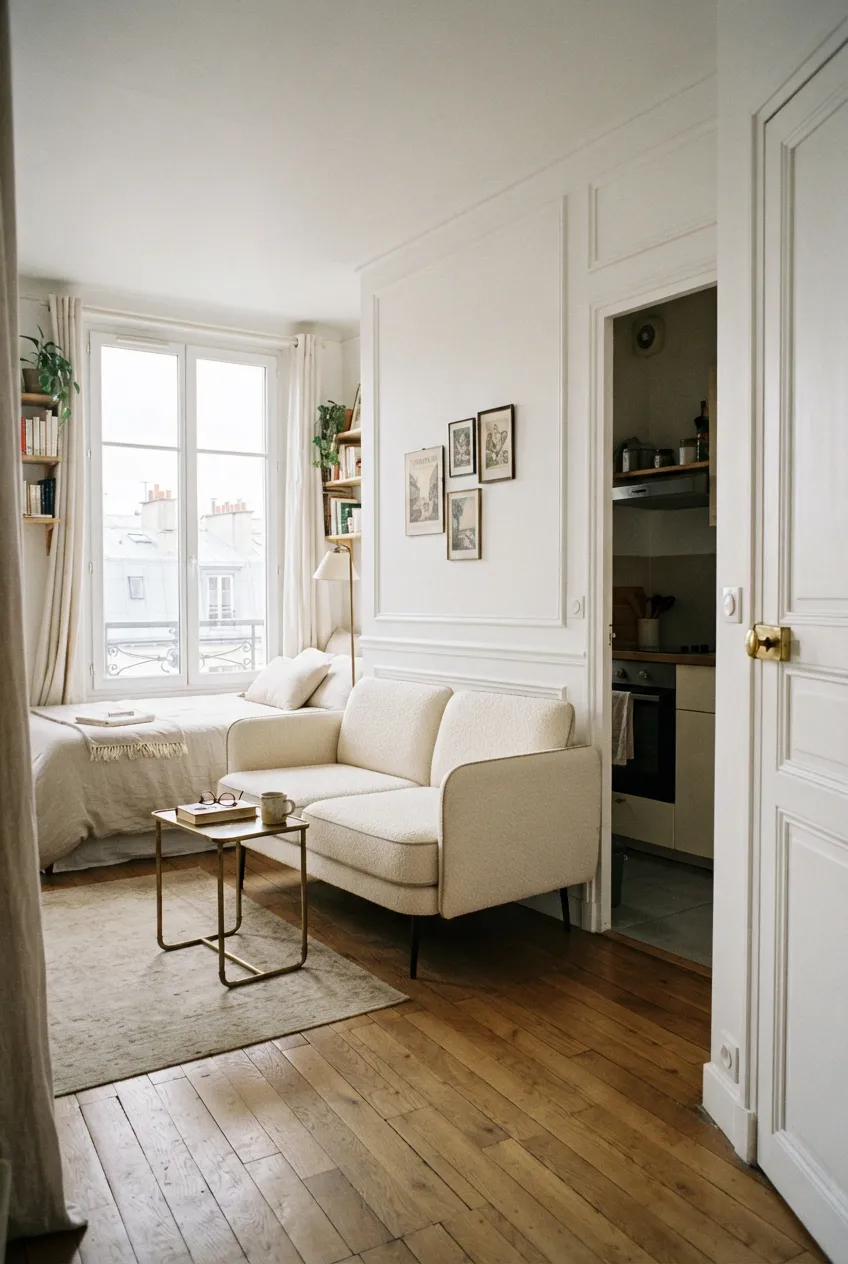
A two-seat sofa can give a studio a real place to relax without demanding the wall length of a sectional. Compare its full width and depth with the space left for walking, but also check the seat depth and arm shape. A sofa that is short yet unusually deep may project farther into the room than expected.
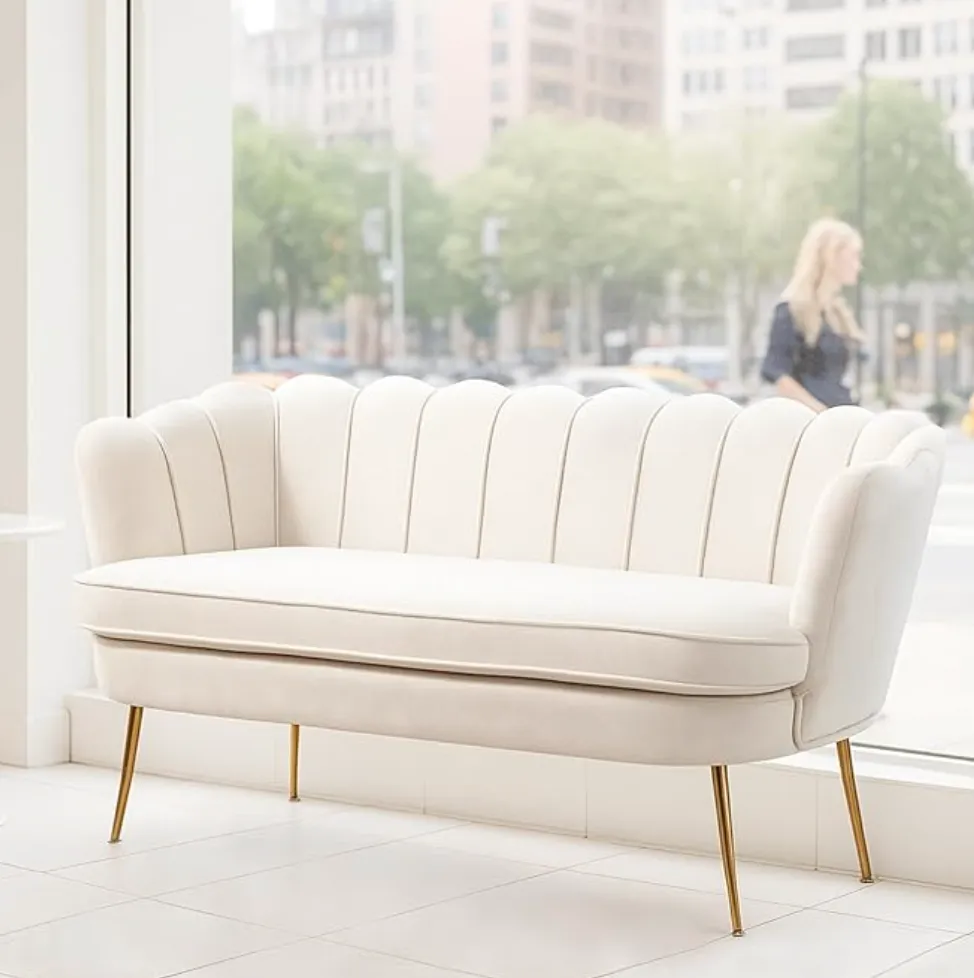
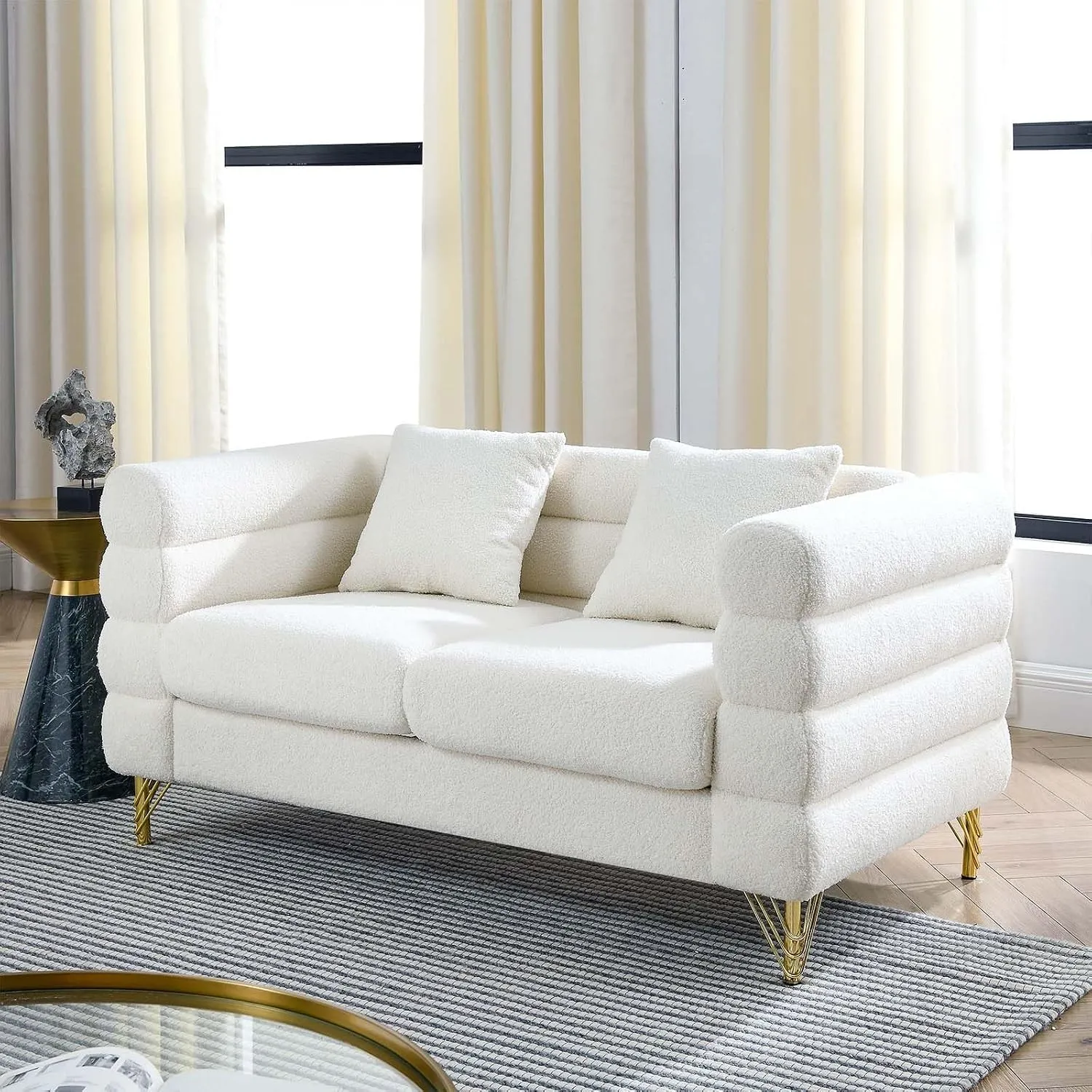
For a small living zone, a compact loveseat is the kind of piece to measure against your taped floor plan. Leave enough room to sit down, stand up, and pass in front of it. Look at the delivery dimensions and the route through the building as well as the fabric and cushion care instructions; a piece that cannot get through the door is not a useful small-space choice.
If a two-seat sofa fits your plan, take a look at the Amazon loveseat option below.
 |  |
|---|---|
 | |
3. Add One Chair That Can Move for Guests
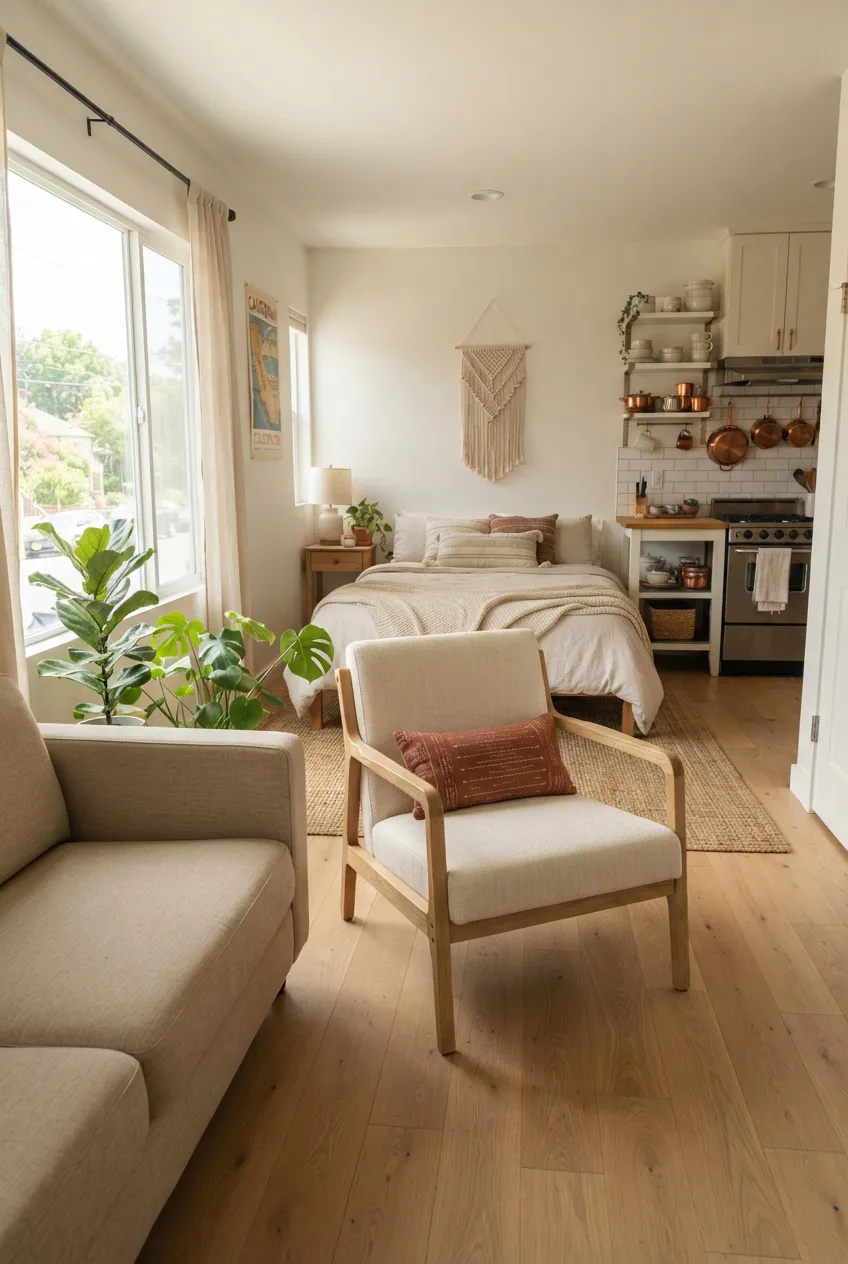
Instead of a second sofa, one light armchair or sturdy armless chair can provide an extra seat when a friend visits. Keep it along the edge of the living area most days, then pull it toward the sofa for conversation. This preserves open floor space when the extra seat is not needed.
Test the chair in both positions. It should not trap someone on the sofa or block the route to the kitchen when pulled forward. A chair with a modest footprint and a back comfortable enough for a real visit is more useful than a tiny decorative stool that nobody wants to sit on.
4. Angle Seats Toward Each Other
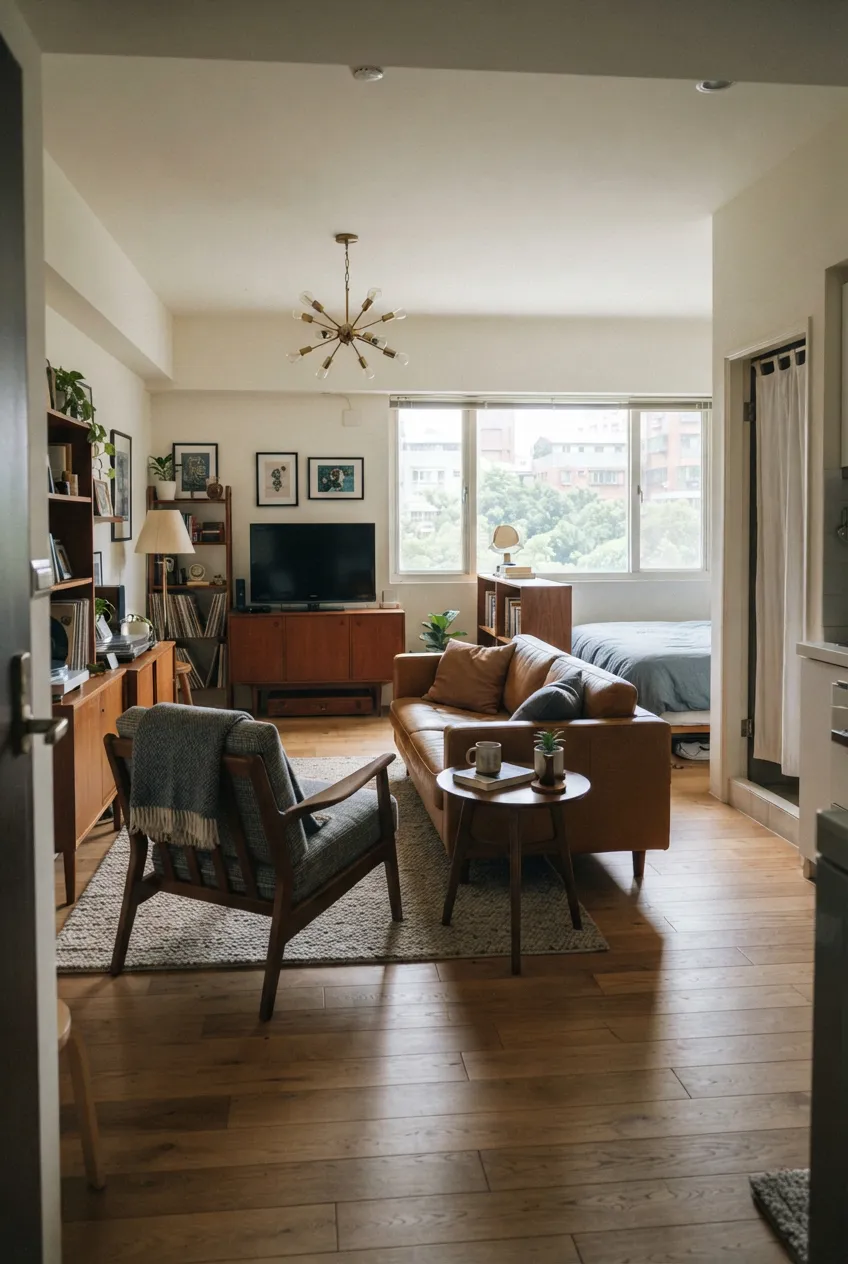
If the sofa and chair both face a screen in a straight row, talking can feel awkward. Turn the chair slightly toward the sofa so the seats form an open corner. Someone can still see the television by shifting their gaze, while guests can speak without twisting their whole body.
Keep a clear opening into this seating group rather than closing all four sides with furniture. Check that the angled chair does not extend into a door swing or prevent a drawer from opening. The living area should feel like a place to enter and sit, not a furniture island you must walk around.
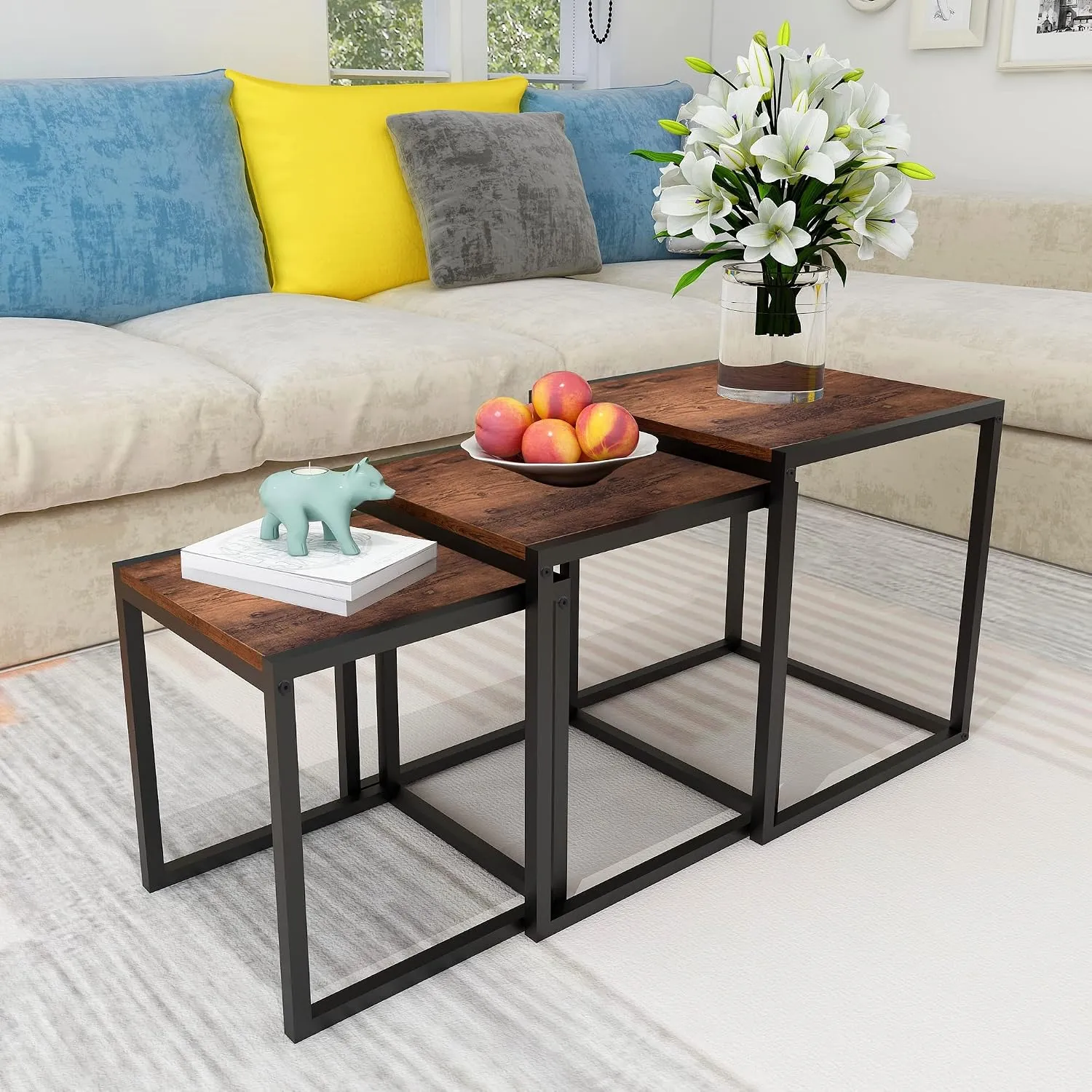
5. Use Nesting Tables Instead of One Large Coffee Table
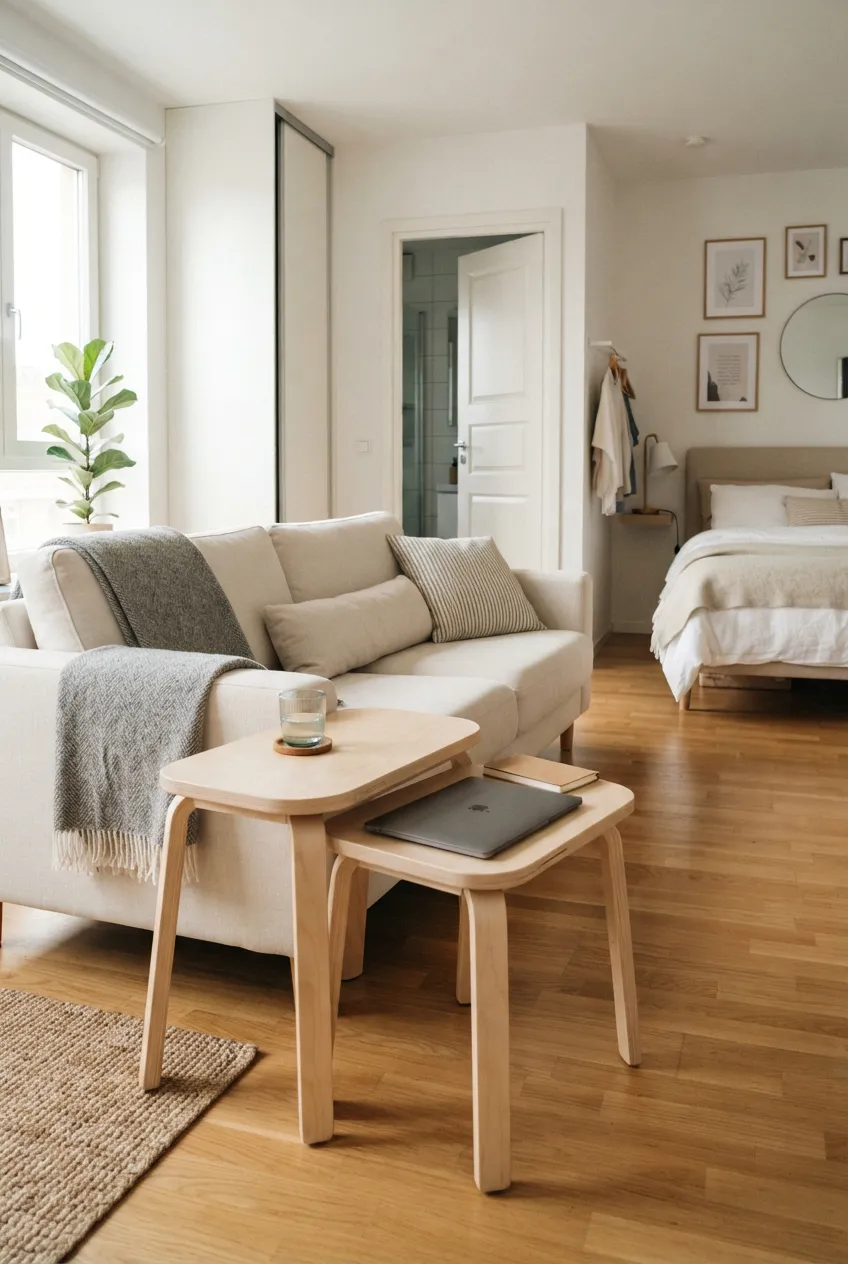
A fixed coffee table can consume the only open floor between the sofa and the rest of the studio. Two small nesting tables let you pull out a surface for drinks or a laptop and tuck the smaller one away afterward. They are especially useful when the same open patch of floor is needed for moving through the room.
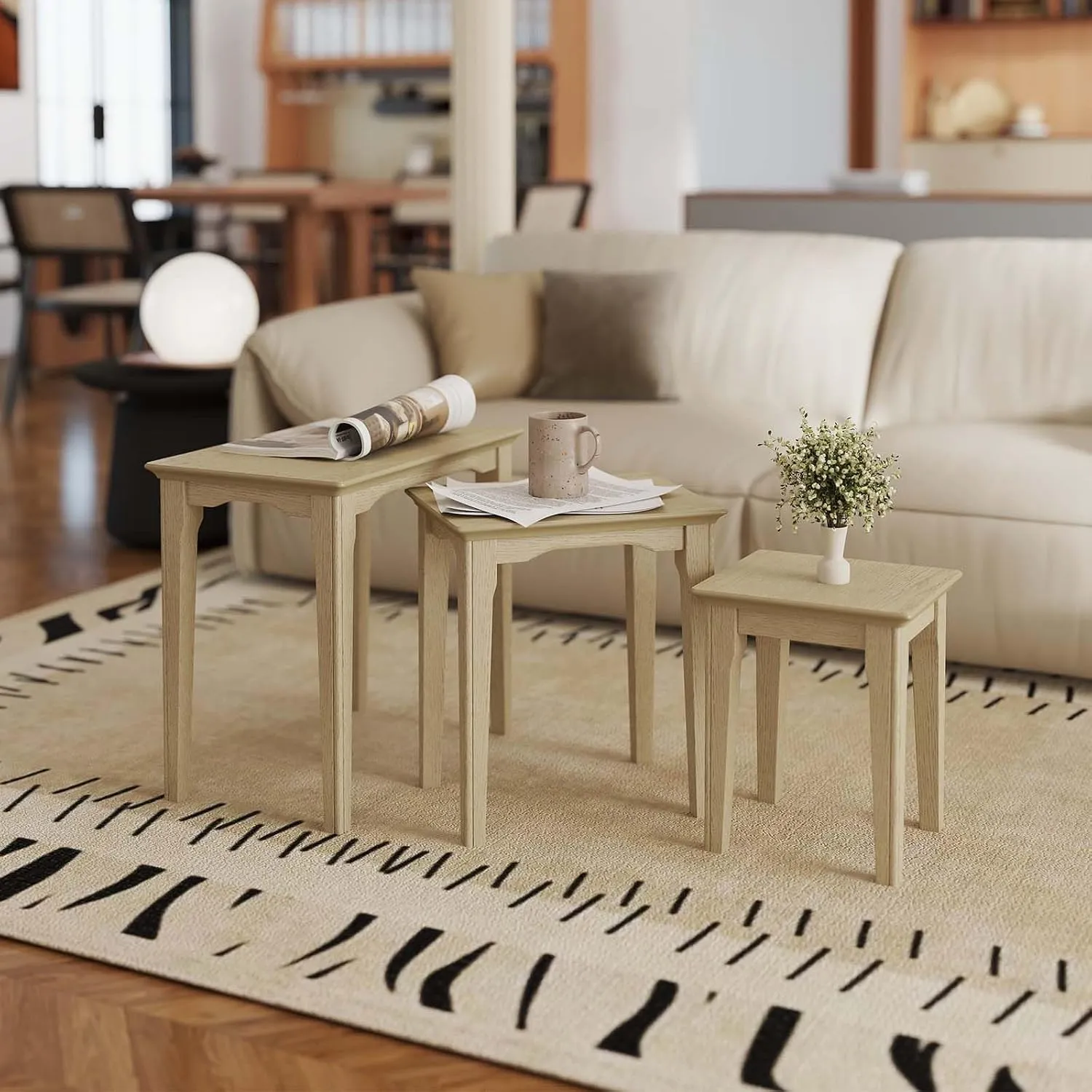
Look for nesting side tables with stable tops and legs that do not catch feet as you rise from the sofa. Measure both the nested footprint and the space they use when separated. They should be light enough to move but stable enough for everyday use; neither position may block the main route.
If a flexible drink surface would help here, take a look at the Amazon nesting-table option below.
 |  |
|---|---|
| |
6. Give the Screen a Comfortable Sightline
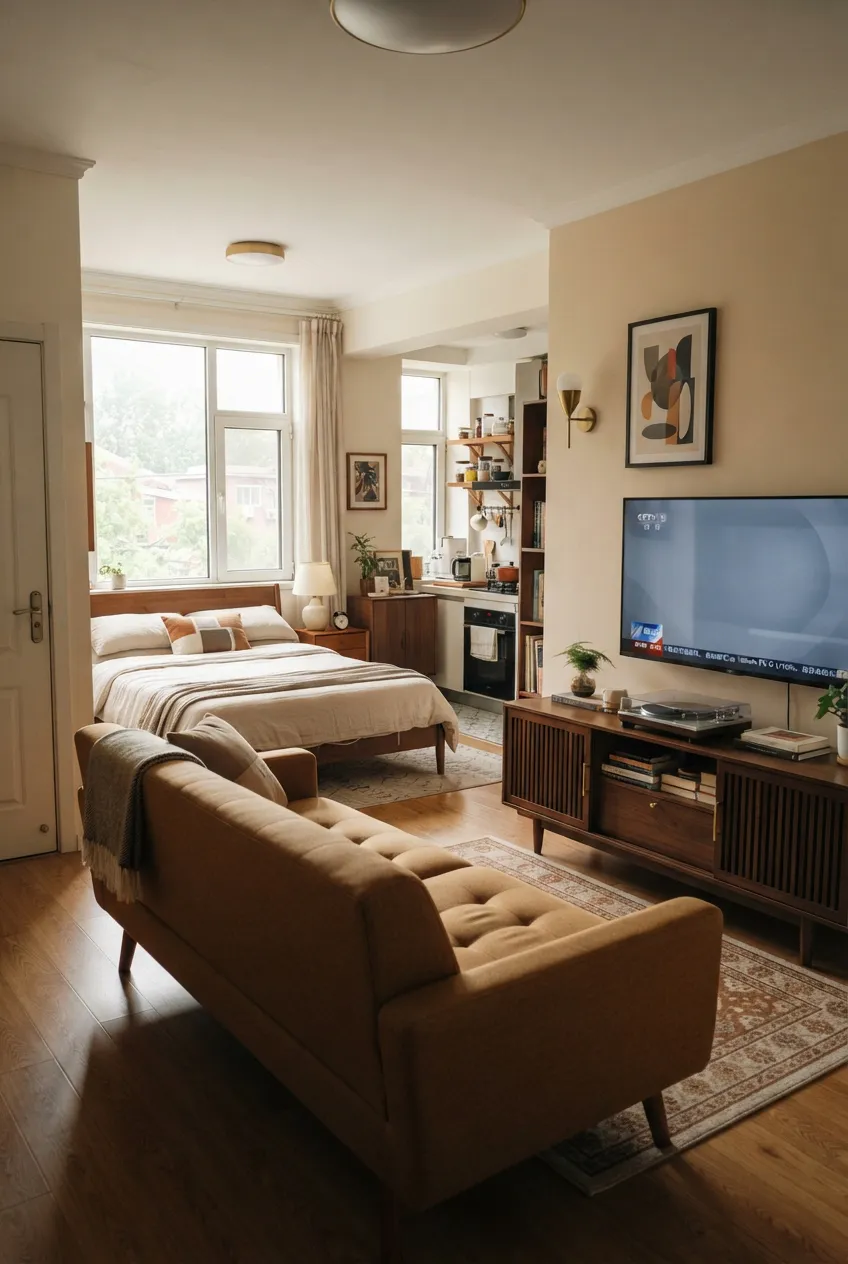
Place a television where it can be seen from the main seat without making viewers turn sharply for a whole evening. Keep it out of a doorway and consider how daylight falls on the screen. If the best wall has strong glare, try adjusting the seat or window covering before buying a larger television.
Keep the screen and its furniture proportionate to the sitting area, and leave the outlets and any required ventilation accessible. Avoid a stand that projects into the walking route. The viewing position should support the seating arrangement rather than dictate the entire room.
7. Anchor the Seats With a Rug That Fits
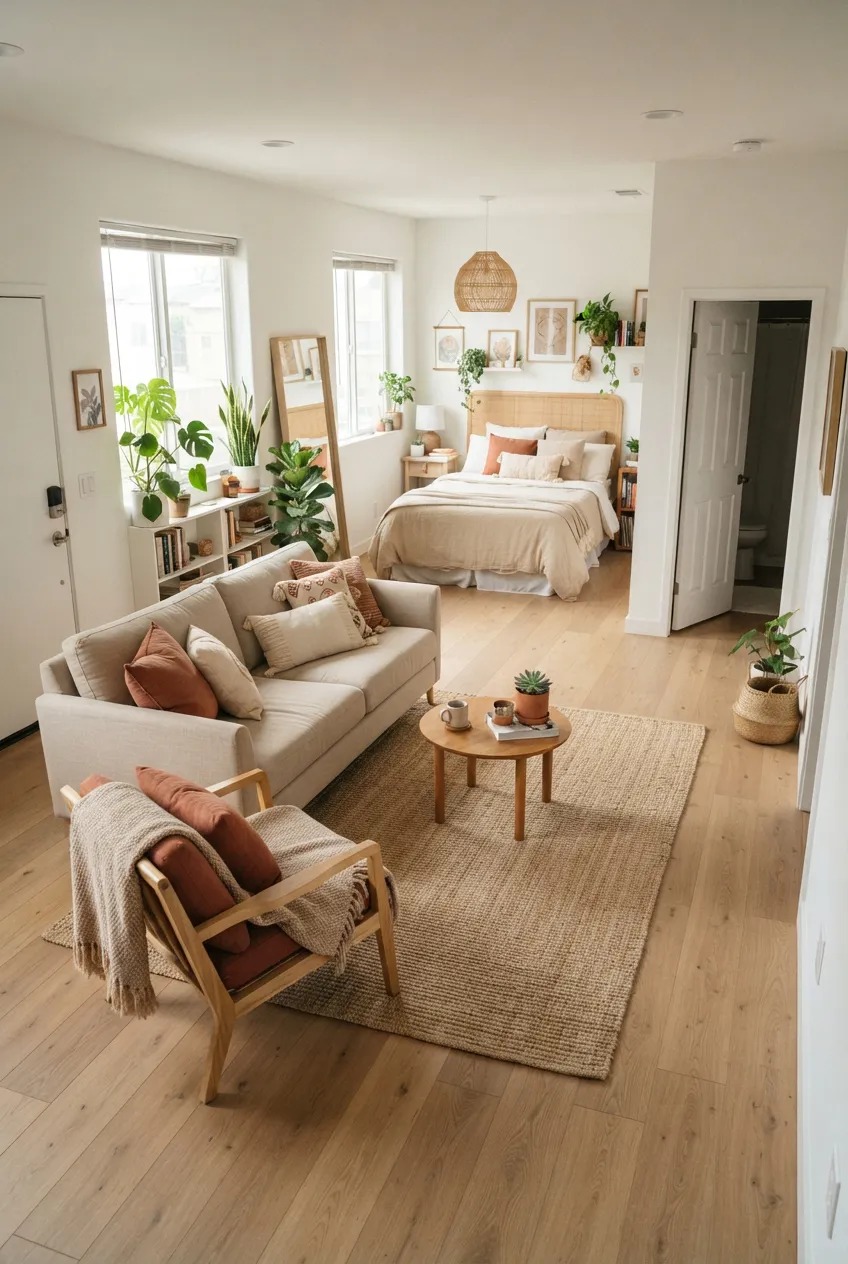
A rug can make the sofa and chair read as one living area without adding a physical divider. Size it to relate to the seats: at least the front legs of the main pieces should visually meet the rug if the room allows. A tiny mat under only the table can make the furniture look more scattered.
Keep the rug flat, use a pad suited to the floor, and check that its edge does not sit exactly where people turn toward the bathroom. If a larger rug would cover the only route or catch the door, use the smaller practical size and let the furniture arrangement do the rest of the zoning.
8. Put Media and Small Items in a Low Cabinet
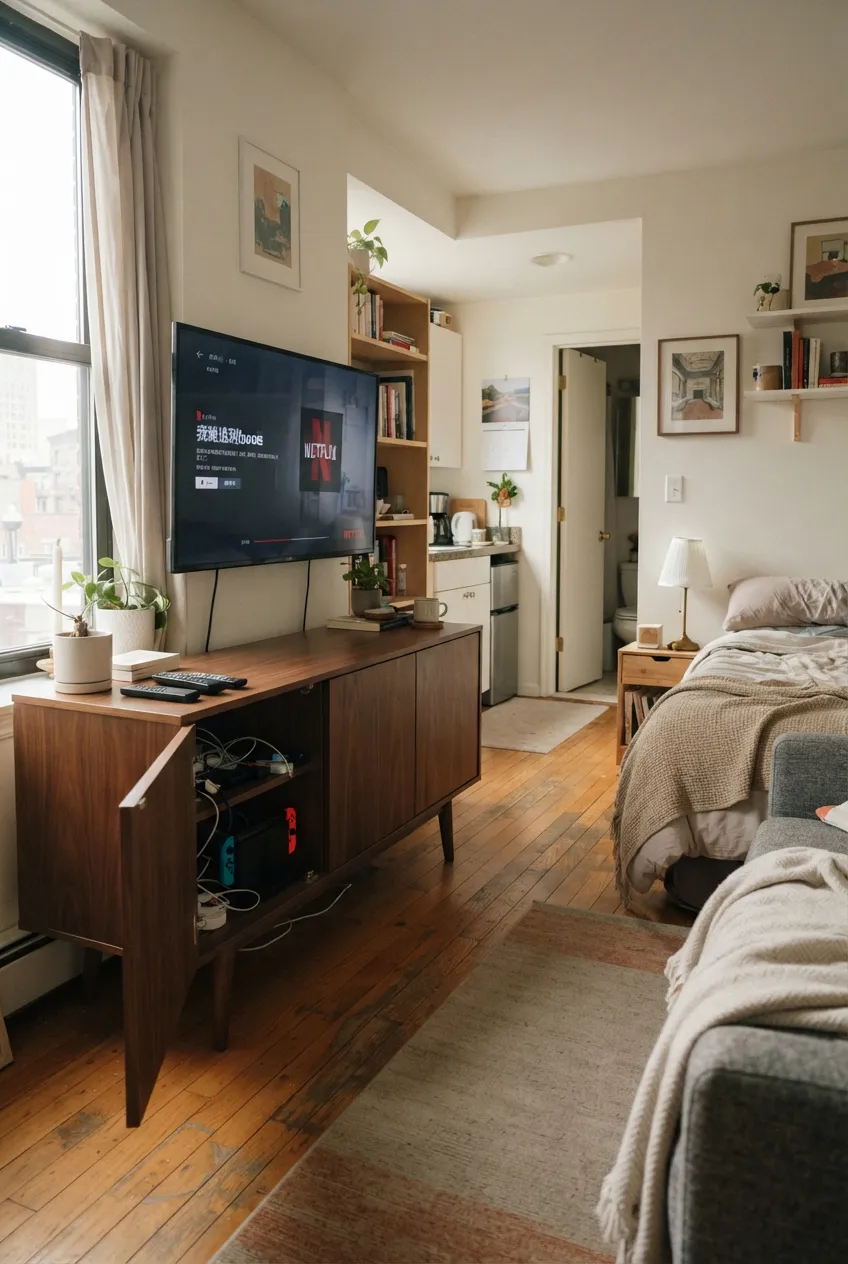
A low closed cabinet near the screen can hold remotes, chargers, games, and other things used while sitting. Closed doors reduce the number of small objects visible from the bed. Choose a unit shallow enough to leave the living route clear, with a top that does not become a permanent pile.
Open every cabinet door fully before settling on its position. Keep the screen’s cables and any device ventilation accessible; do not stuff a powered device into a sealed compartment. If you need a broader plan for belongings outside the living area, see the studio storage ideas.
9. Let an Ottoman Handle One Extra Job
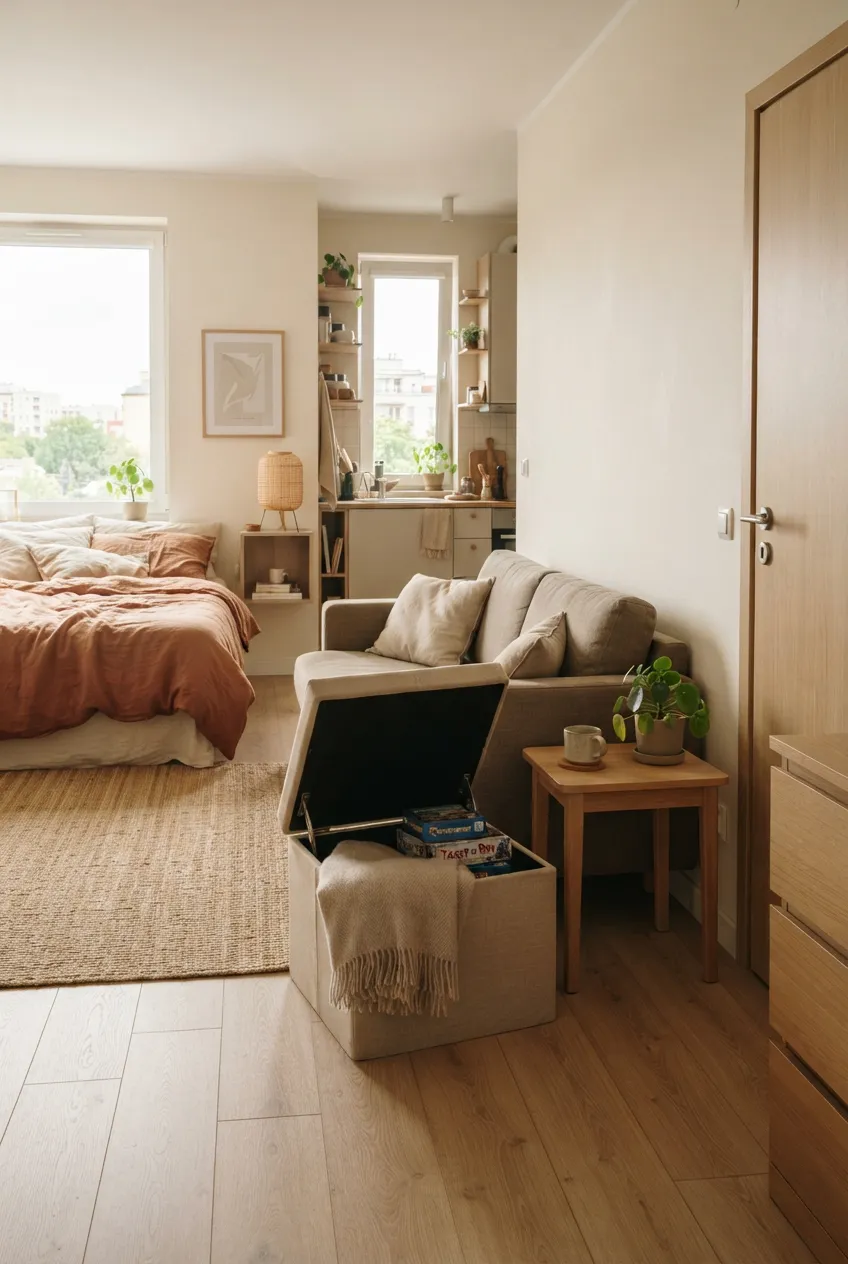
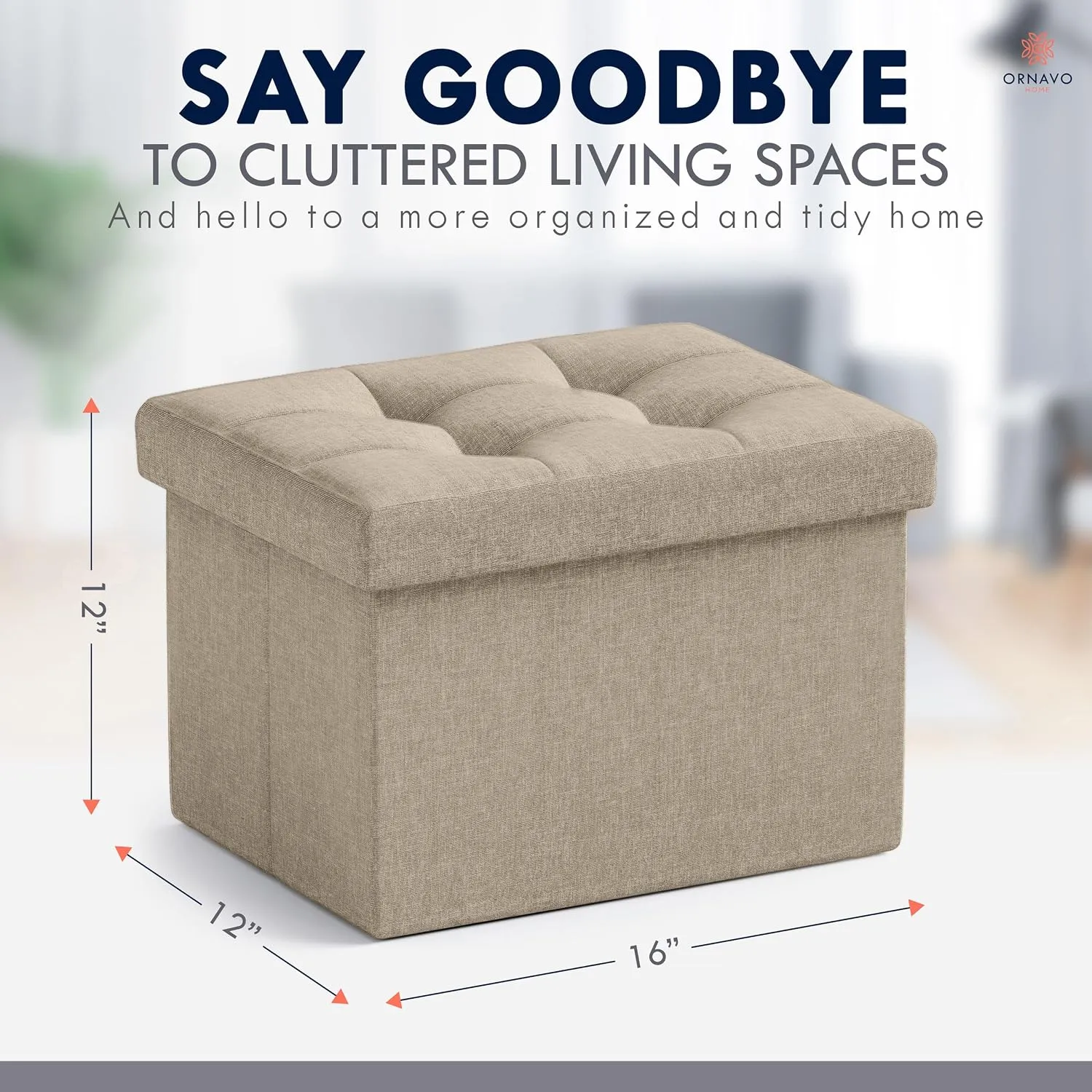
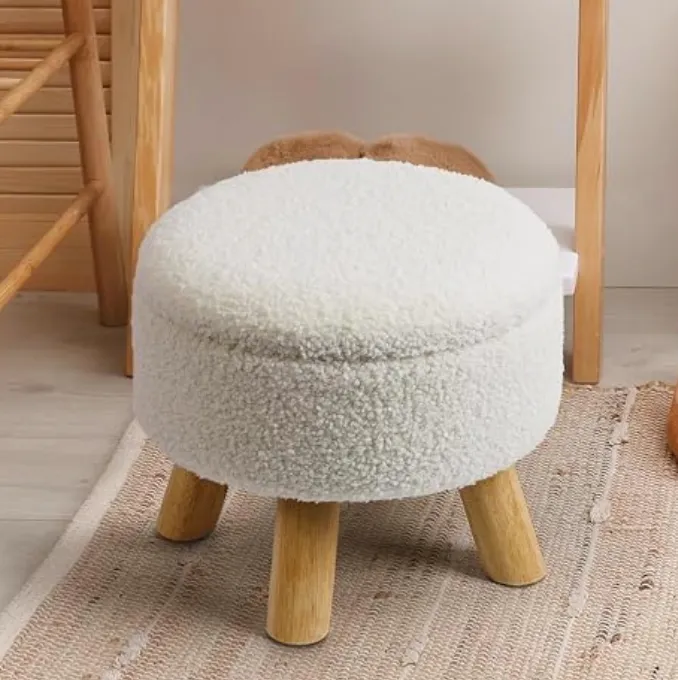
A storage ottoman can serve as a footrest and hold a small group of living-room items, such as throws or board games. Choose its primary job first. If it must be a footrest, it needs a comfortable height in relation to the sofa; if it sometimes acts as a seat, check the maker’s seating and load guidance.
A compact storage ottoman works best when it has a defined home beside the sofa and can be moved without blocking the only route. Check how its lid opens in the actual space, including clearance from the coffee or side table. Store items you reach for in the living area, not miscellaneous objects that need sorting elsewhere.
If you need a footrest with a little enclosed storage, take a look at the Amazon ottoman option below.
 |  |
|---|---|
| |
10. Add Light at Sitting Height
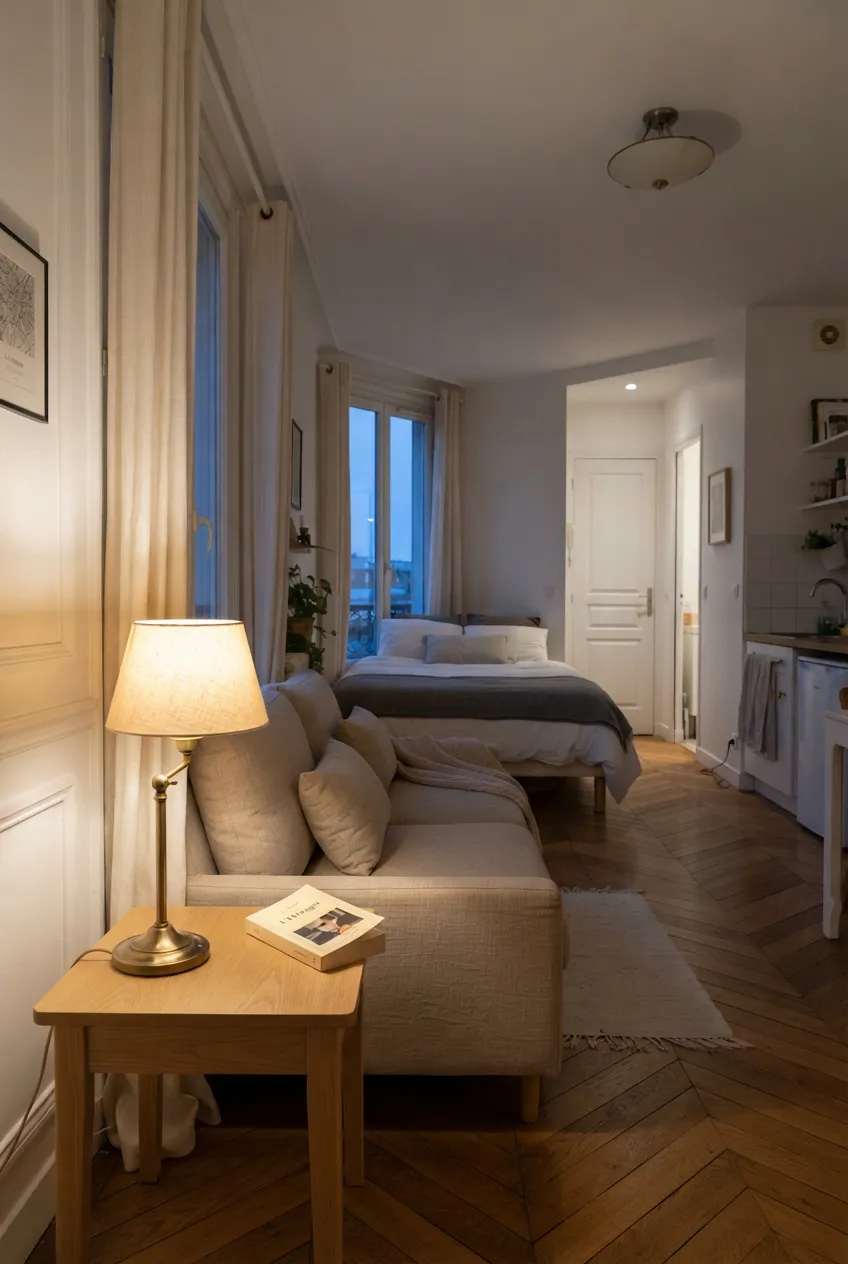
Overhead light alone can make the living corner feel flat, while a lamp beside the seating gives useful light for reading or conversation. A table lamp can work on an existing side surface; a floor lamp may be better if that surface is unavailable. Keep the light source where it serves the sofa rather than lighting an empty corner.
Check that a shade does not meet curtains or a walking shoulder, and keep the cord out of the route. A second light source can make the living area comfortable after dark without brightening the bed unnecessarily. The point is useful placement, not a collection of decorative lamps.
11. Control Daytime Glare Without Closing the Room
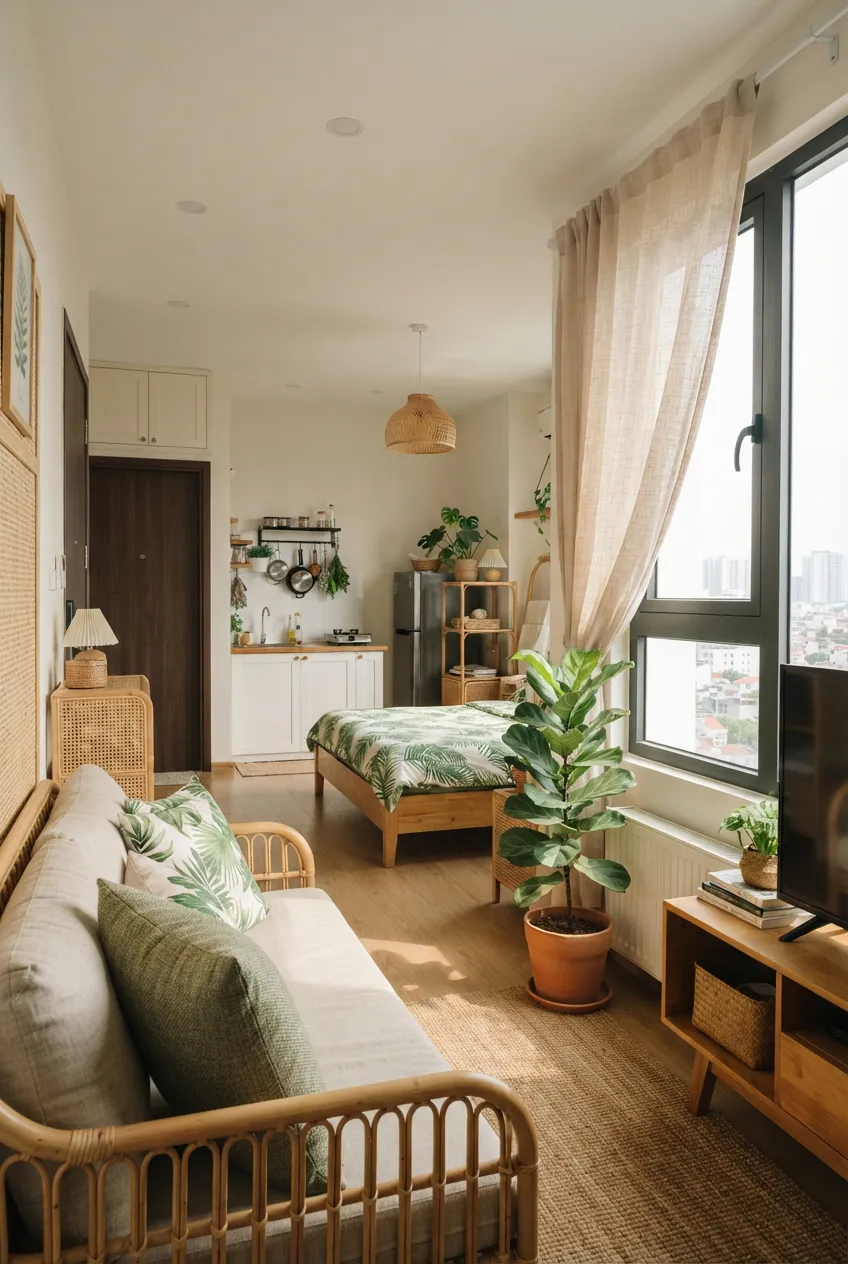
If the sofa is near a window, daylight can be pleasant for reading but uncomfortable on a screen. Use the existing blinds or curtains to adjust the light during the hours you actually sit there. Light-filtering fabric may soften glare without making the whole studio dim.
Keep the window operable and the route to it open. Do not push a sofa against a radiator or cover a vent to make the curtain arrangement look symmetrical. Test the view from the seated position on a bright day before changing furniture or adding another window layer.
12. Pick Finishes That Survive Everyday Living
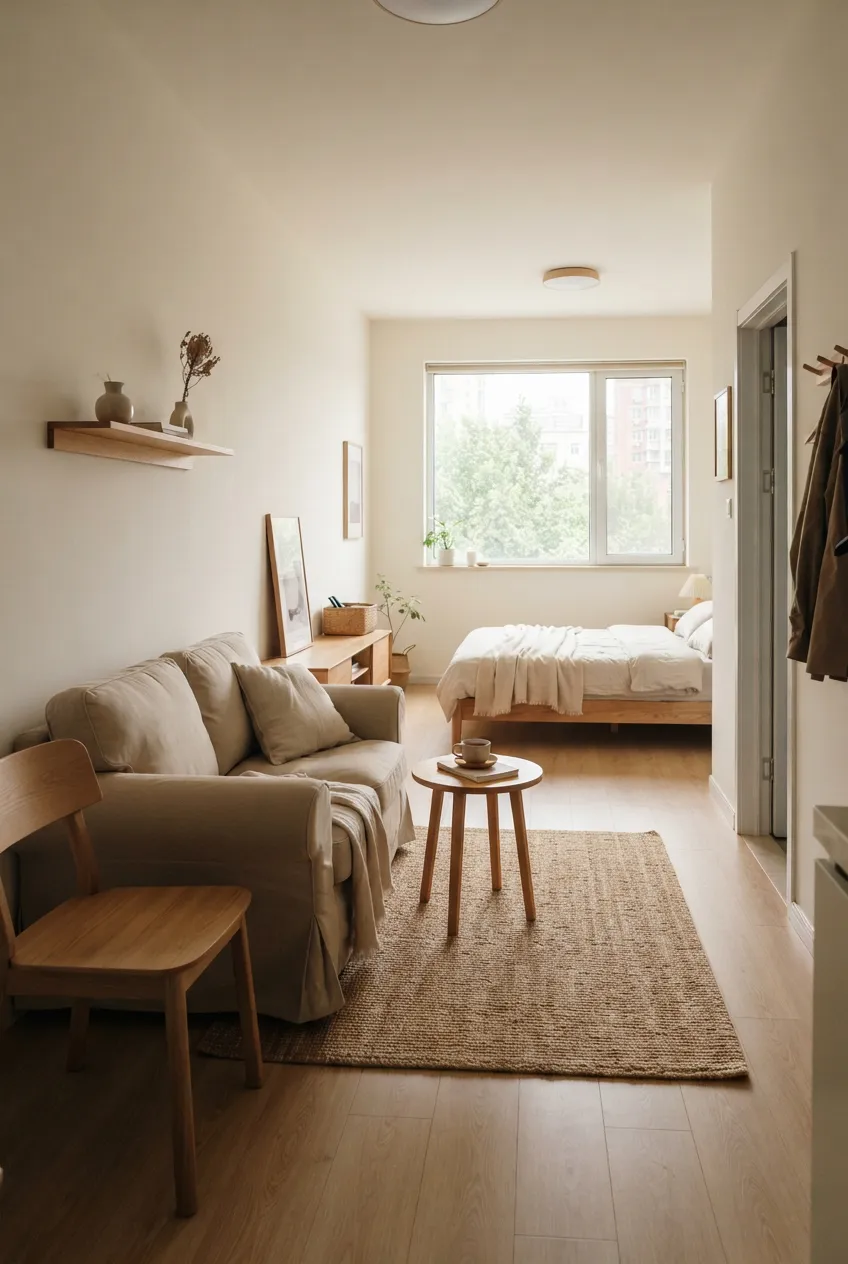
In a studio, the living area is close to meals, work, and sometimes the bed. Sofa covers, chair upholstery, and rug fibers should fit the way the room is actually used. Removable, washable covers can make a small space easier to maintain, but only if the care instructions are realistic for your household.
Keep a small clear spot for a drink and an easy place to put the remote away at night. These ordinary details help the seating area stay ready for use without filling it with extra furniture. A living room that is easy to reset usually feels more spacious than one that looks perfect only in a photo.
Final Thoughts
A studio living room does not need a full matching furniture set. Give the main seat enough space to work, add only the guest seat and surfaces you will use, and keep the route across the apartment open. Then check the screen, storage, light, and window from the place where you actually sit.
More Studio Apartment Ideas
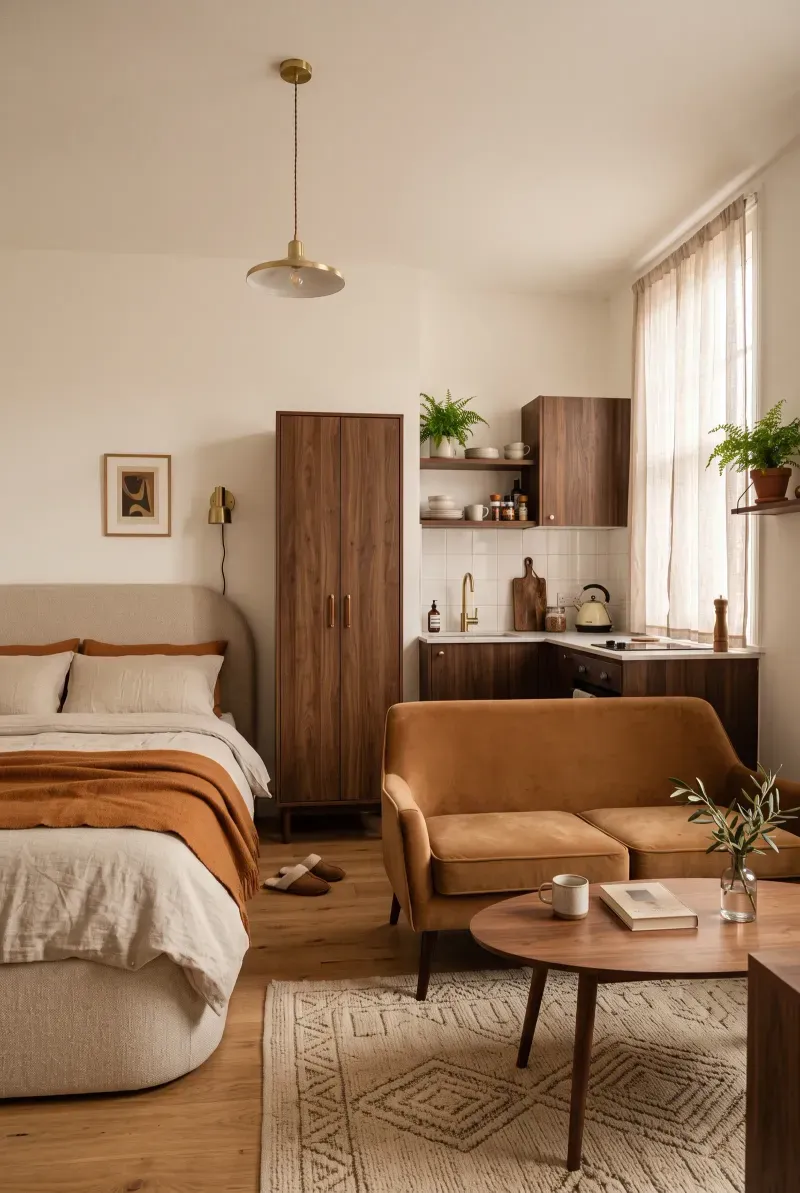 | 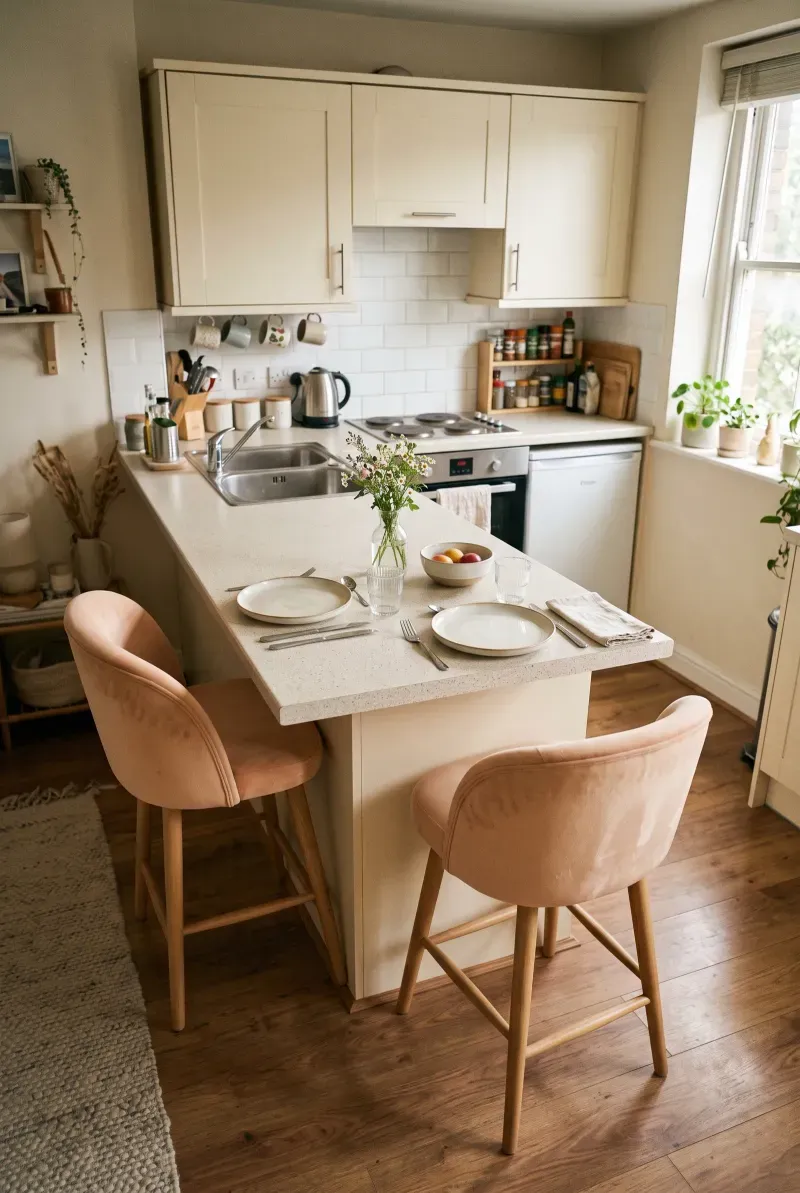 |  |
|---|---|---|
Lounge & Sleep | Studio Dining | Studio Layouts |