Decorating a studio apartment can feel oddly difficult. The same few surfaces serve as a living room, bedroom, dining area, and sometimes an office. A piece that looks lovely in isolation can get in the way of a plate, a laptop, or a cabinet door when the room is in use.
The goal is to choose where a decorative object earns its place, then let the rest of the room work. These ideas deal with the objects you display and the surfaces they sit on. For broader changes to the look of a studio, see the guide to making a studio apartment look more expensive. Everyday sorting and storage deserve their own plan; here the focus stays on display.
1. Choose What You Want to See Every Day
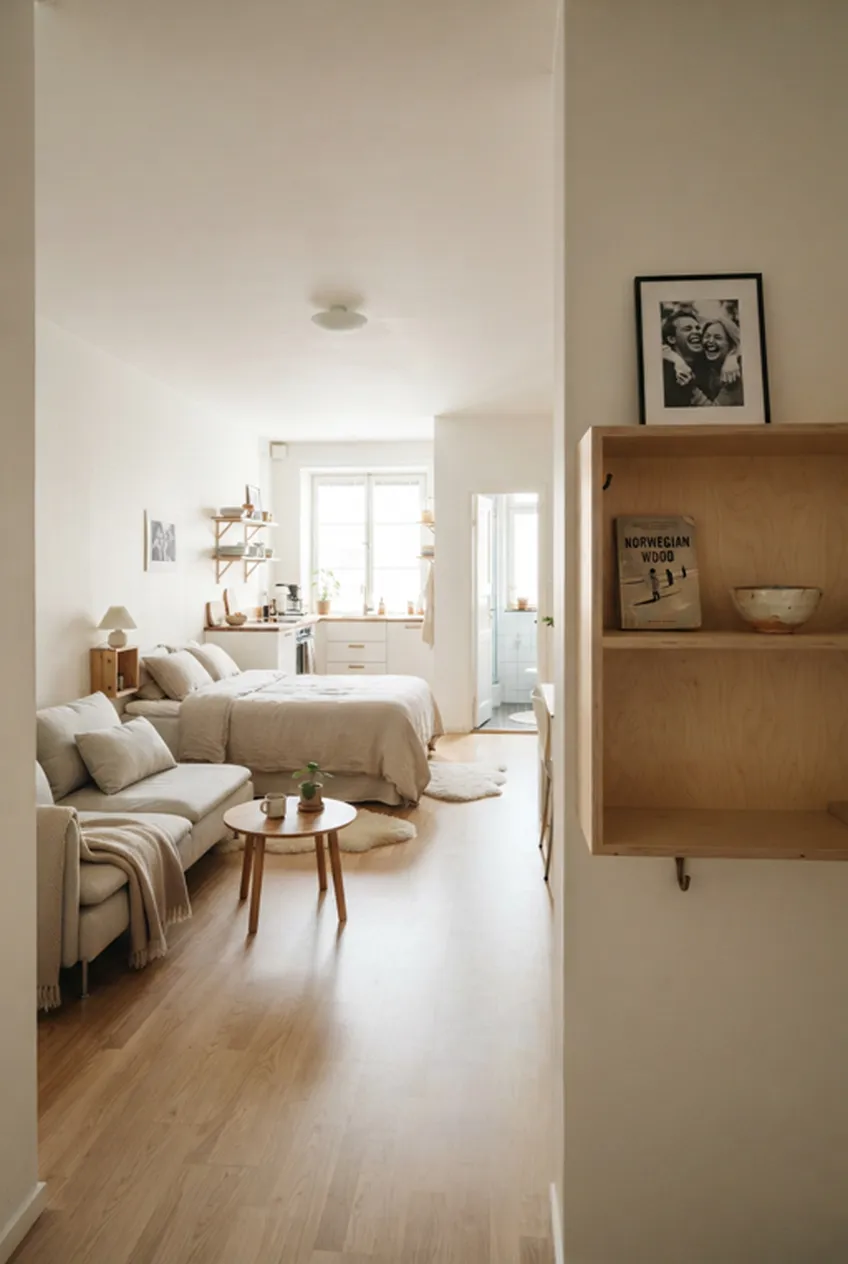
Before buying anything, pick a few things already worth looking at: perhaps a photograph, a small ceramic piece, or books you return to. Decide which one should be visible from the sofa or entry. That choice gives the room a personal starting point, rather than asking every empty patch of wall to carry a decoration.
Set the chosen objects in their possible spots and walk through the studio. If an item would sit in the path, crowd a frequently used surface, or require moving it to do a daily task, it has not found the right display place yet. A decoration should be easy to live around.
2. Give the Sofa Wall One Clear Art Moment
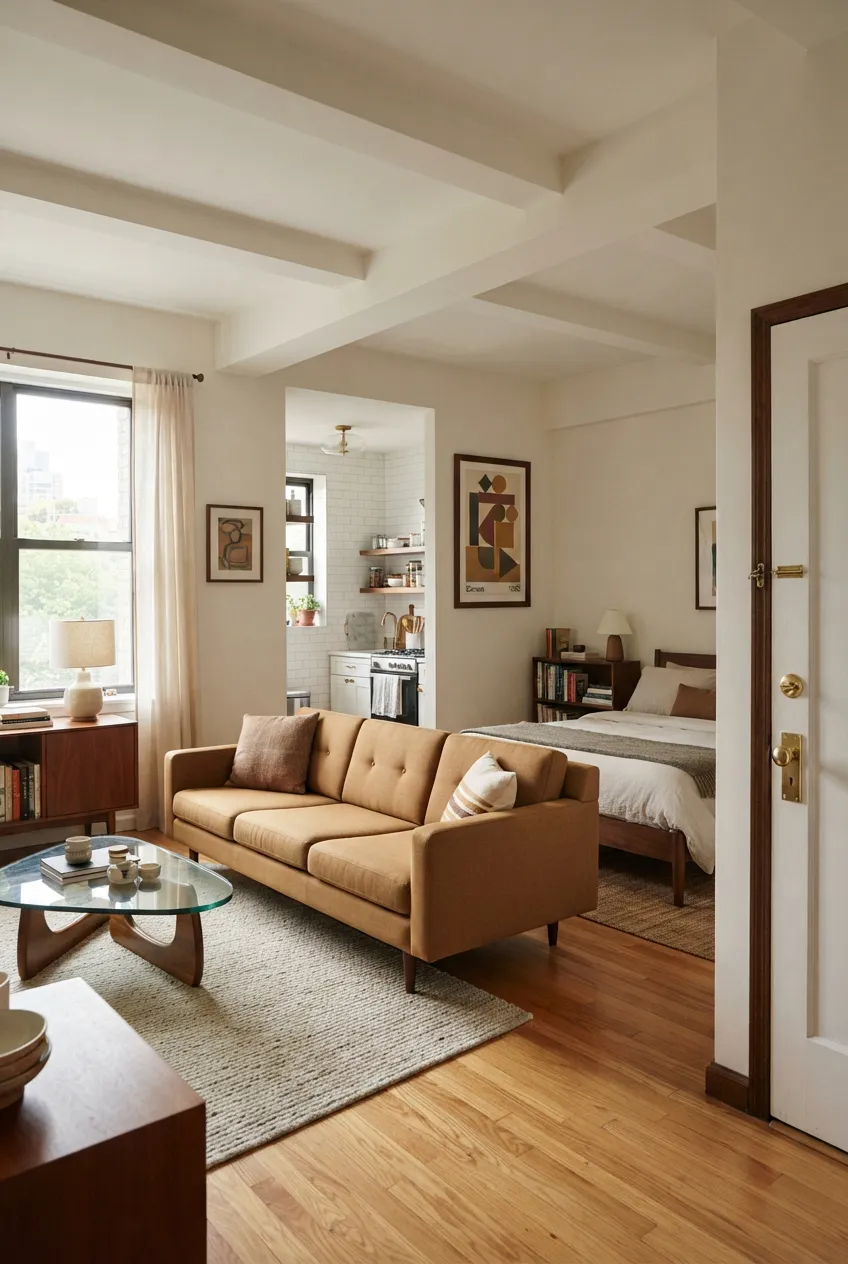
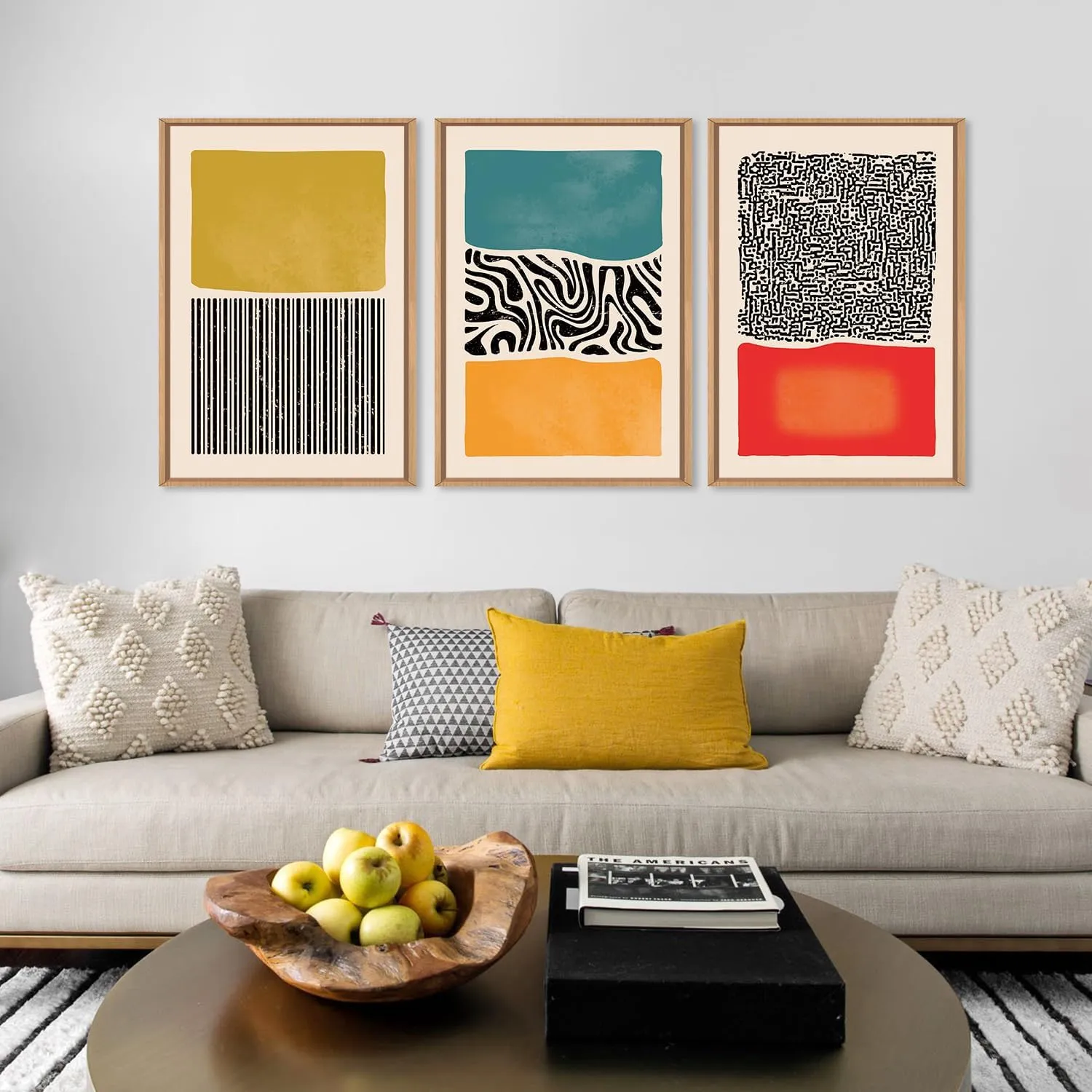
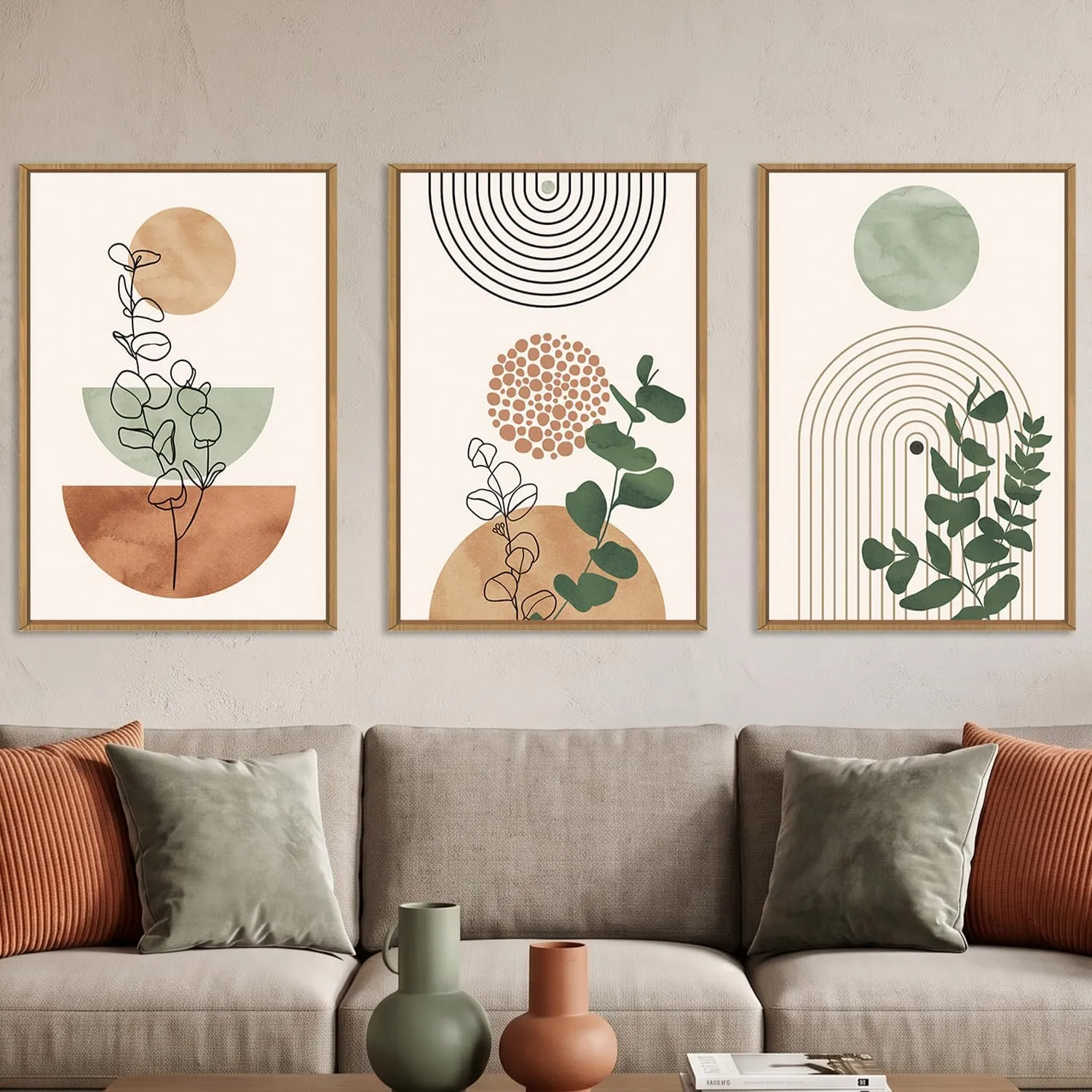
A wall above the sofa can hold one framed print or photograph that relates to the sitting area. Measure the width of the sofa and the free wall before choosing the frame, then mock up its outline with paper. The piece should read as part of the sofa zone without extending into a door swing or conflicting with a nearby window.
Check how the frame will be supported, the wall material, and any rental rules before mounting it. Avoid a frame so low that people can knock it while sitting back. This is a decision about where a piece belongs, not a rule that every studio needs a gallery wall.
If a single framed piece suits your sofa wall, take a look at the Amazon wall-art option below.
 |  |
|---|---|
 | |
3. Style One Open Shelf and Leave Room to Use It
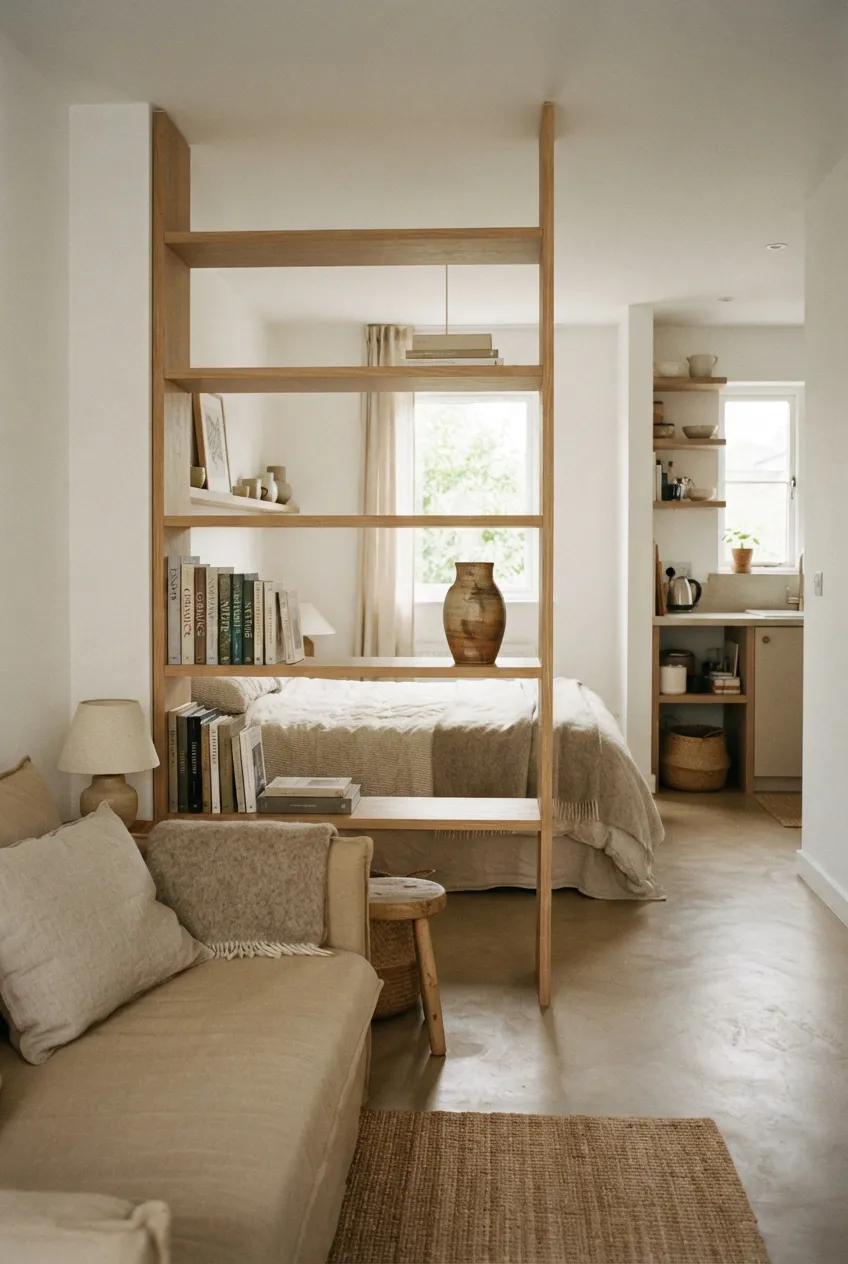
Choose one shelf that is visible from the main part of the room. Put a few books together, then add one object with a different height or shape. Leave enough open space to reach the books and to set down the things that shelf still needs to hold. A shelf with a purpose looks better than several shelves filled edge to edge.
Keep fragile pieces away from the edge and heavier items on a stable, lower level. If the shelf also divides the bed from the living zone, preserve its open sightlines and follow the furniture maker’s securing instructions. The room divider ideas show how a shelf can serve the larger layout.
4. Collect Coffee-Table Accents on a Movable Tray
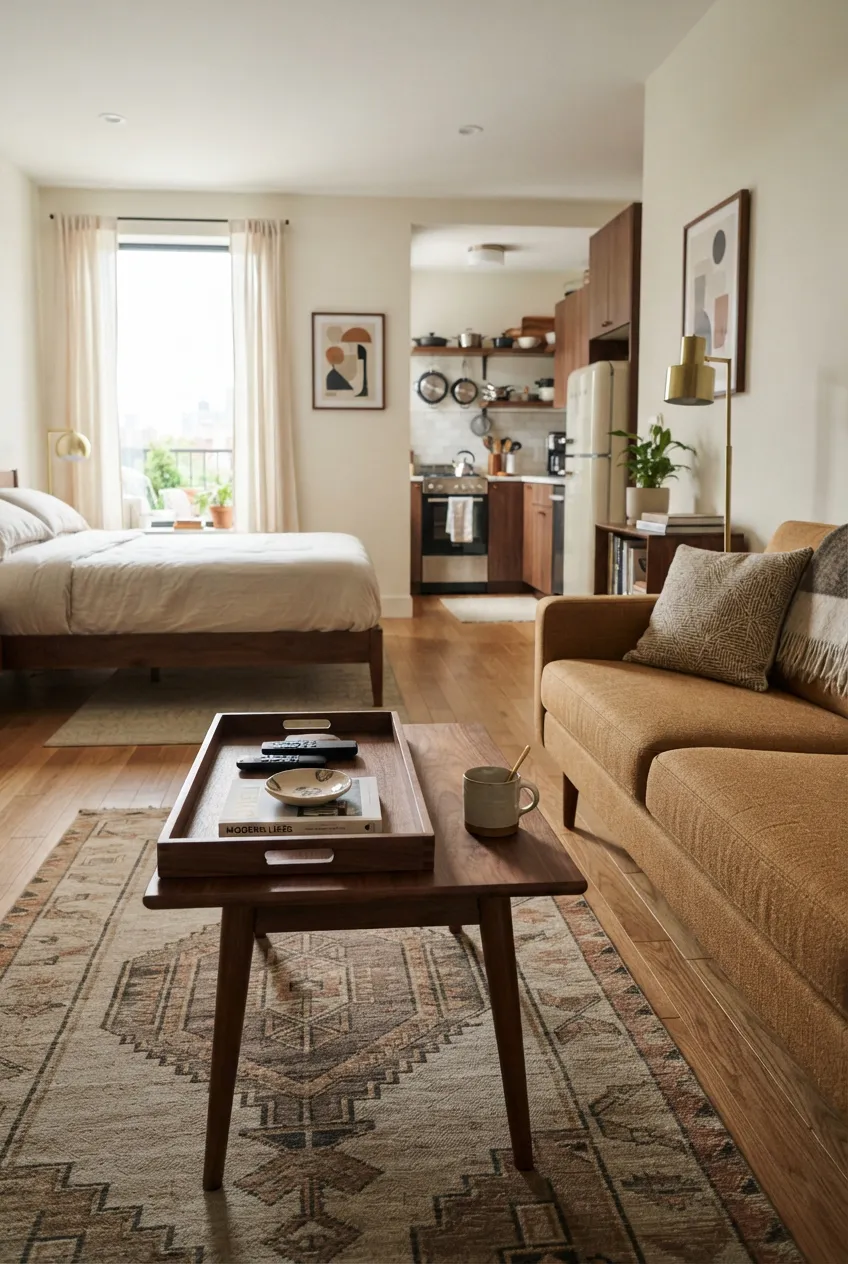
If your coffee table holds a remote, a small ceramic dish, and a book, a shallow tray can make those objects read as one group. The tray should fit one portion of the table, leaving a clear place for a drink and for someone to set down an everyday item. Choose a tray you can lift with the objects on it when the surface needs to be cleared.
Measure the table’s usable top, not just its outer dimensions, and consider whether the tray’s rim is easy to grasp. Avoid tall or fragile objects that could be knocked over by a seated person.
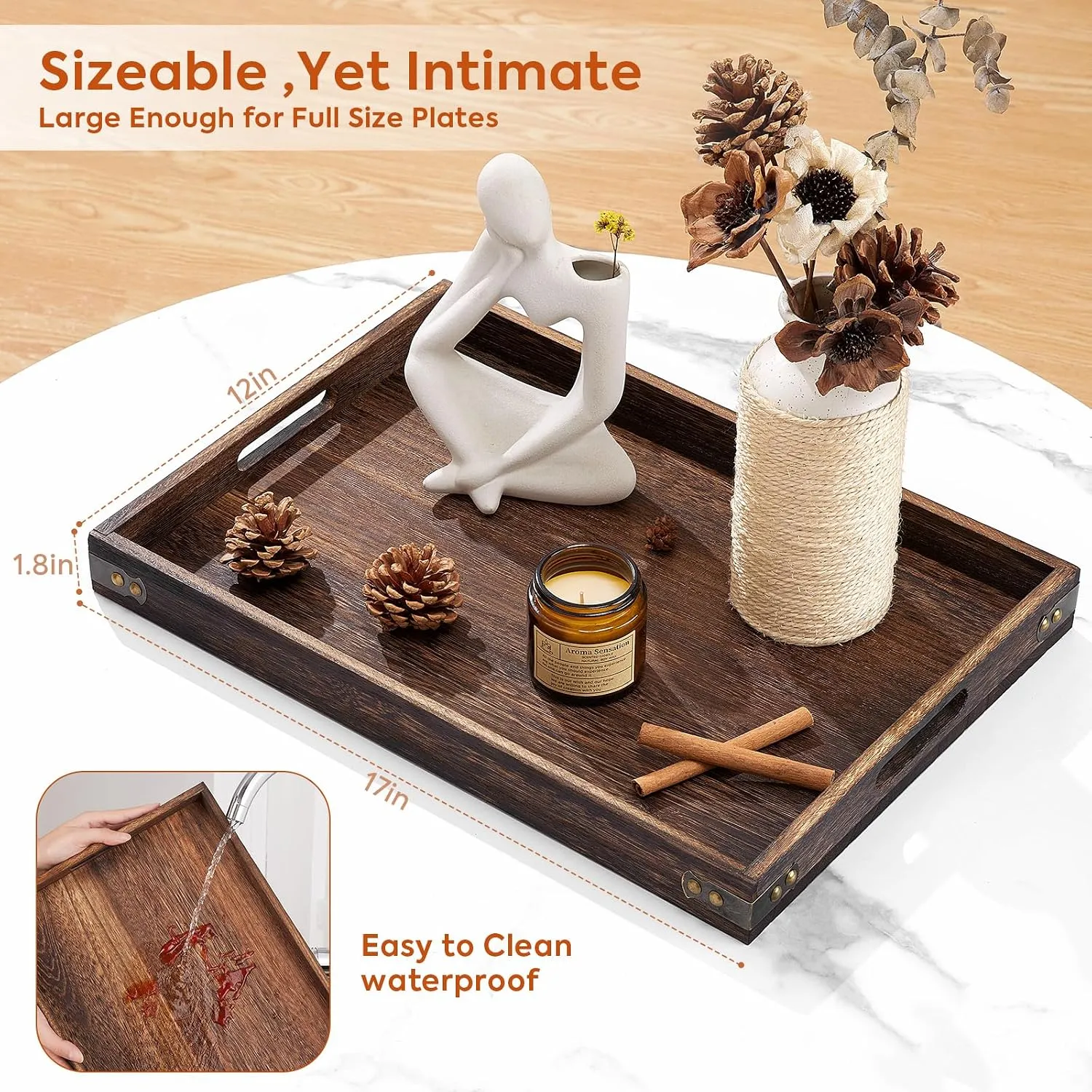
If a small tray would help this table stay usable, take a look at the Amazon tray option below.
 |  |
|---|---|
| |
5. Let the Sofa Textiles Do the Decorating
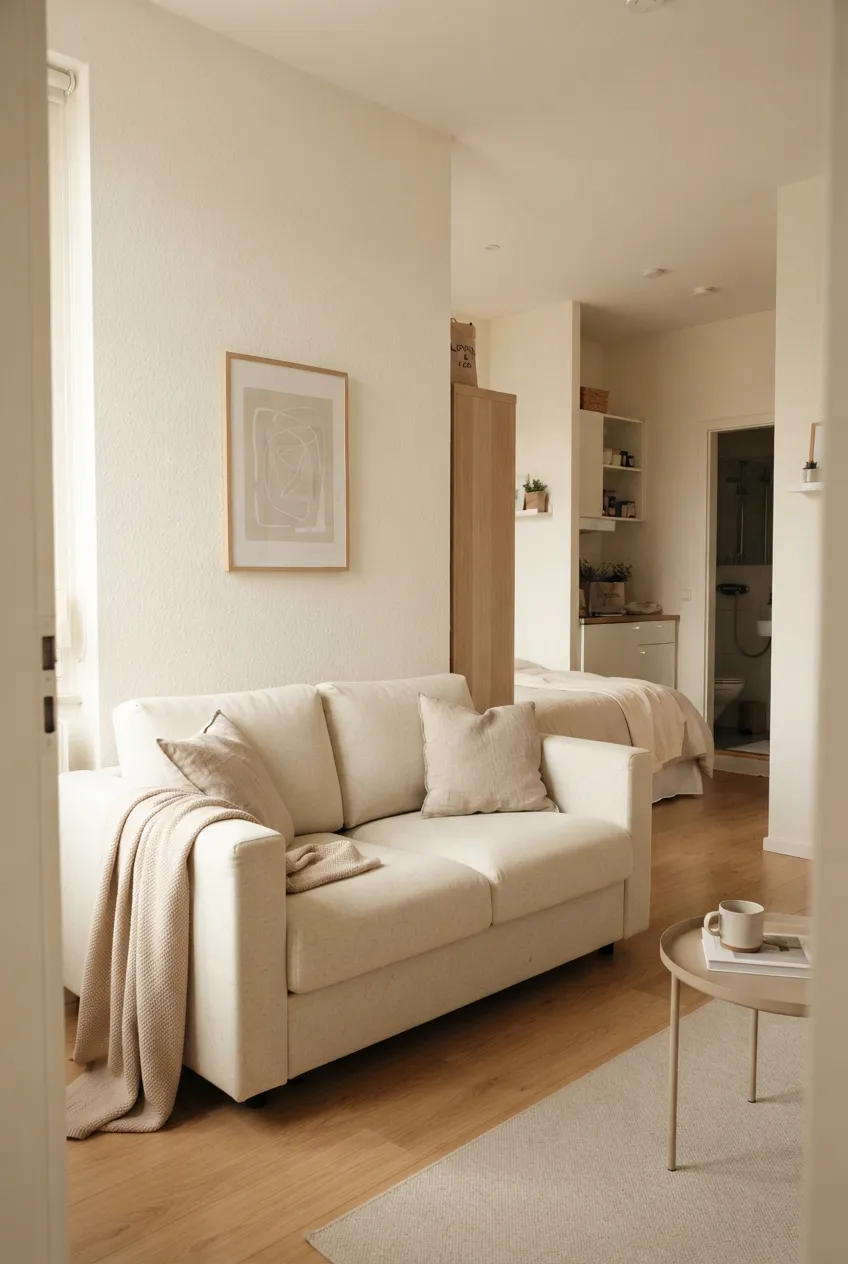
Rather than adding several small ornaments near the sofa, use a throw and one or two cushions to bring in color or texture. Pick materials you will actually sit against and a throw you can fold over the arm or store nearby. The sofa should still have enough open seat space for the people who use it.
Look at the sofa from the entry: the accents should relate to the room’s existing colors without making the sofa the only busy surface. If a patterned cushion competes with the artwork above it, keep the other pieces quieter. This is about a comfortable, usable seat, not a formal display.
6. Give the Bed One Visible Accent Layer
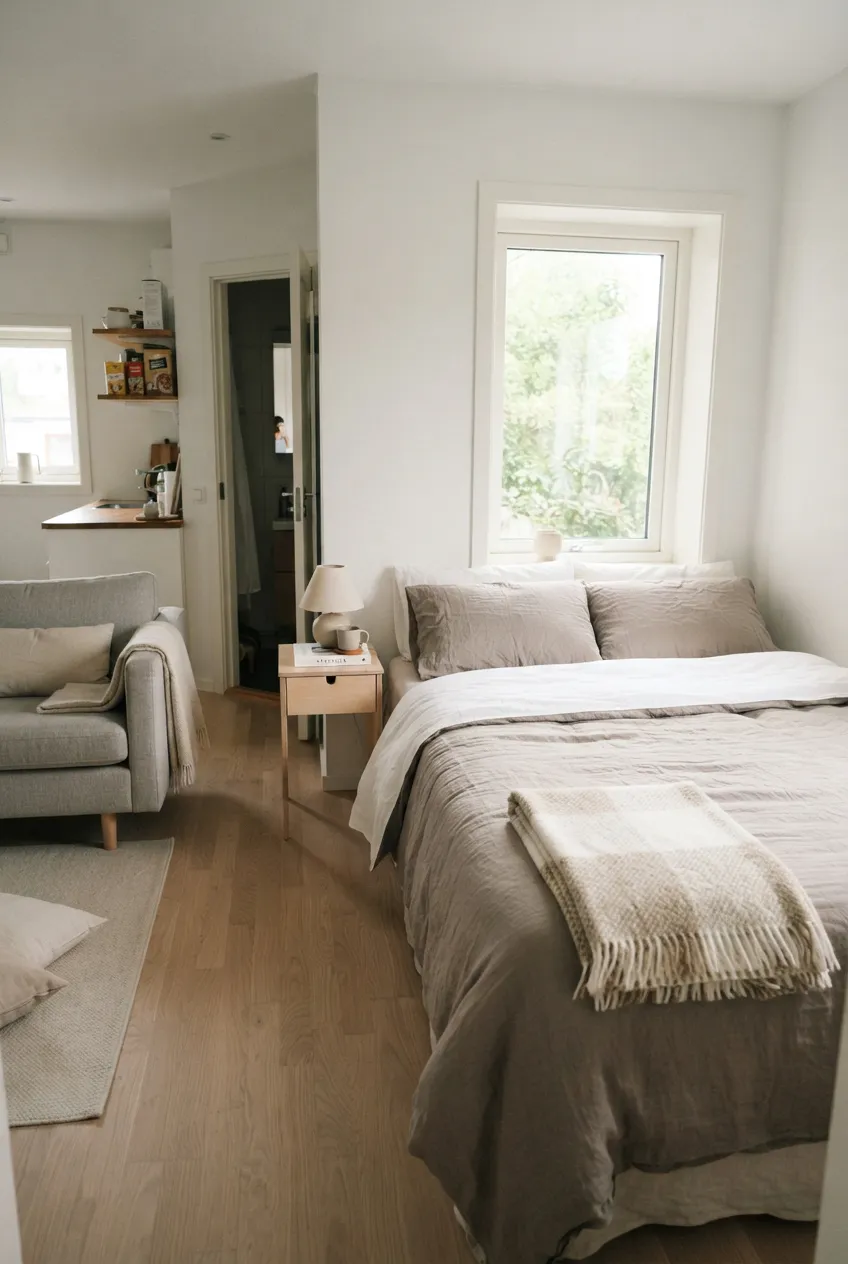
Because the bed is visible from much of a studio, its top can contribute to the room’s look without adding another object to the floor. Choose one visible layer, such as a textured coverlet or a folded throw at the foot, that works with the bedding you already use. Keep the pillows you sleep with easy to find and remove.
Do not pile decorative cushions where they must be stacked on the floor every night. Test whether the accent still looks intentional when the bed is made quickly on a normal morning. For the position of the bed itself, see the studio bed placement ideas.
7. Put One Plant Where It Can Actually Live
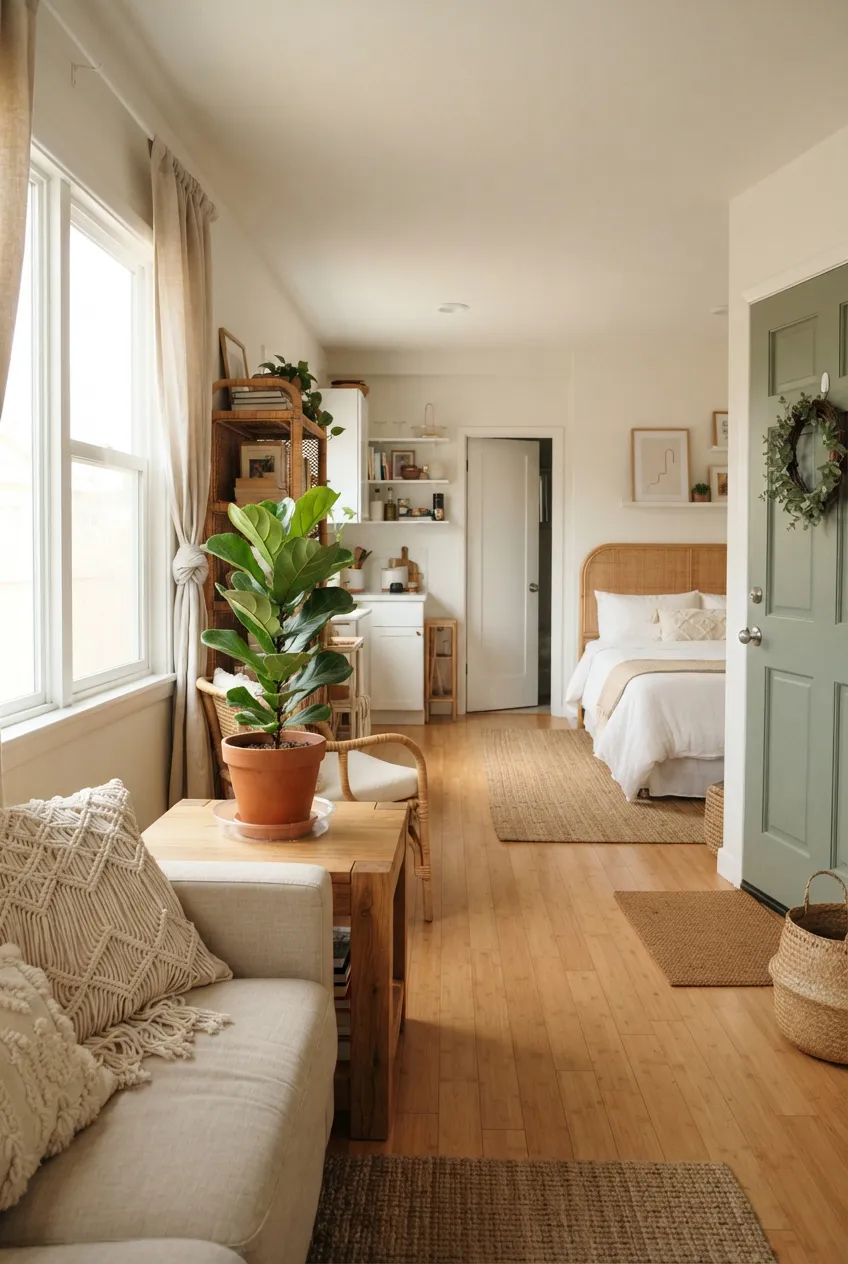
A plant can add shape to a studio, but it needs a location with suitable light and room for the pot. Choose a spot near an appropriate window or on a stable surface, then check the plant’s own light and care needs. A small plant on a side table often contributes more than several pots scattered across the floor.
Protect the surface beneath the pot from water. Keep leaves out of a door swing, and leave the window and the main walking route usable. If your available light does not suit a live plant, a different decorative object is a better choice than a struggling one.
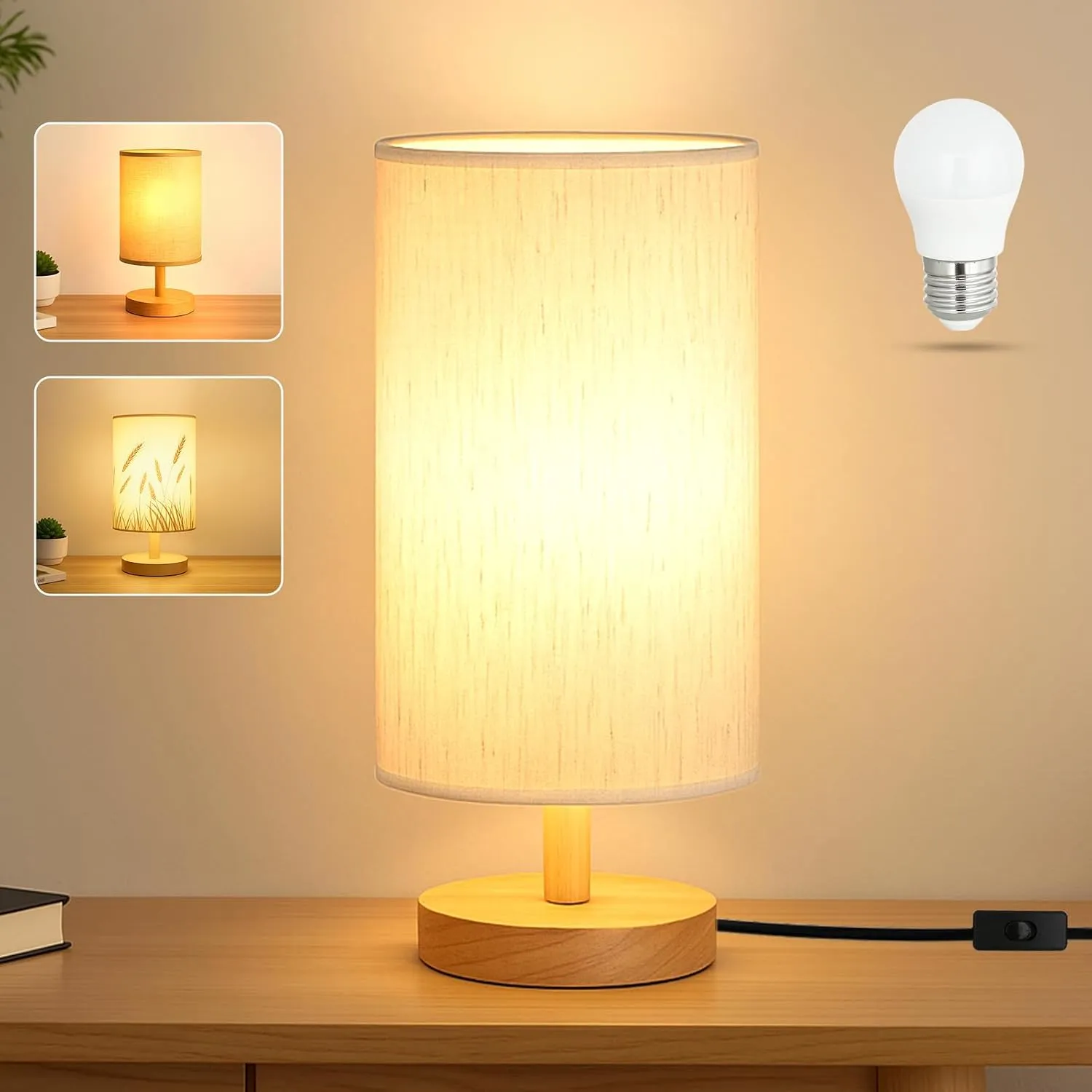
8. Choose a Bedside Lamp You Also Like to Look At
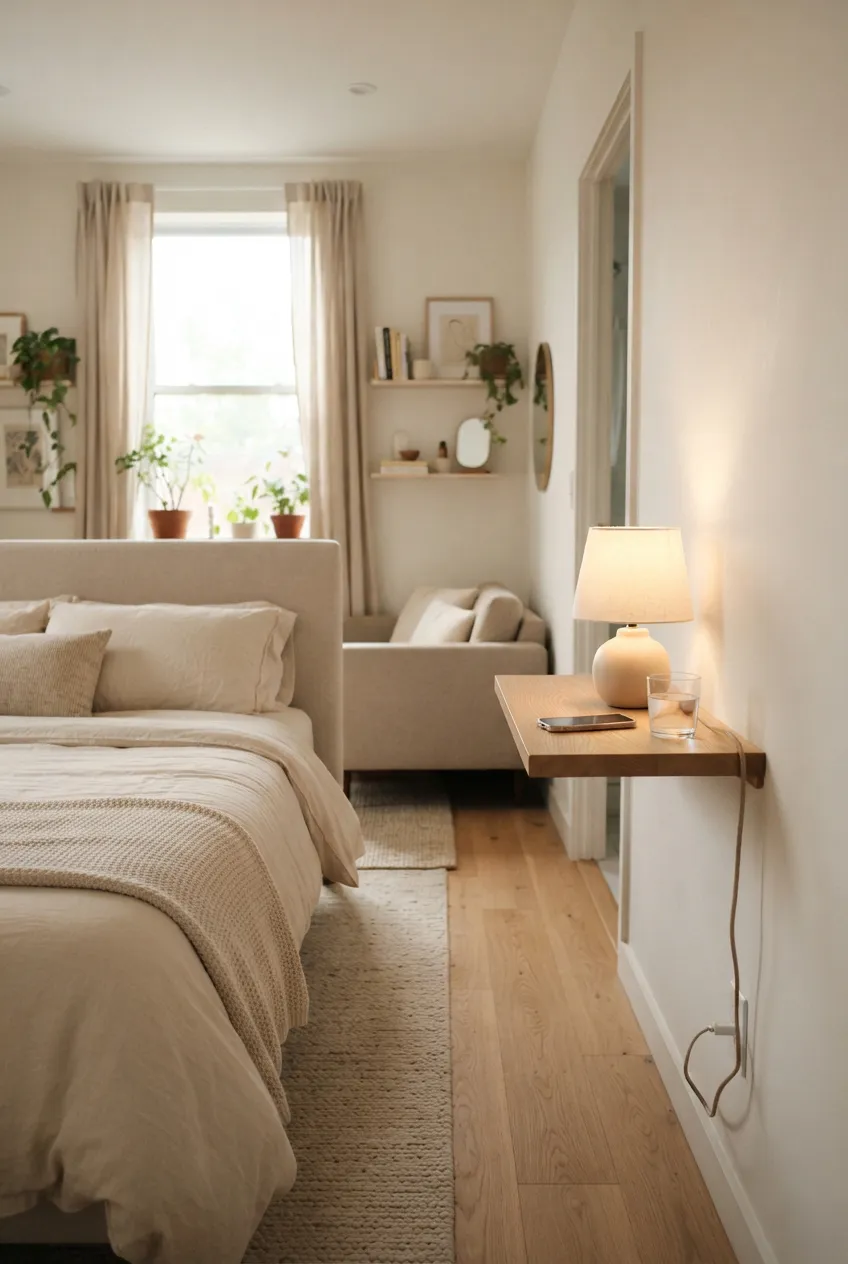
One compact table lamp can give the bed area a visual anchor while providing the light you need there. Place it on a stable bedside surface with room left for a phone or glass. Check the lamp’s full height, shade width, and switch position so it can be used from the bed without reaching past other objects.
Keep the cord against the wall and away from where you step, and use the lamp and bulb as directed by their makers. A sculptural shape is useful only if the shade does not hit the wall or crowd the bed. For the broader lighting plan, see the guide to brightening a dark studio.
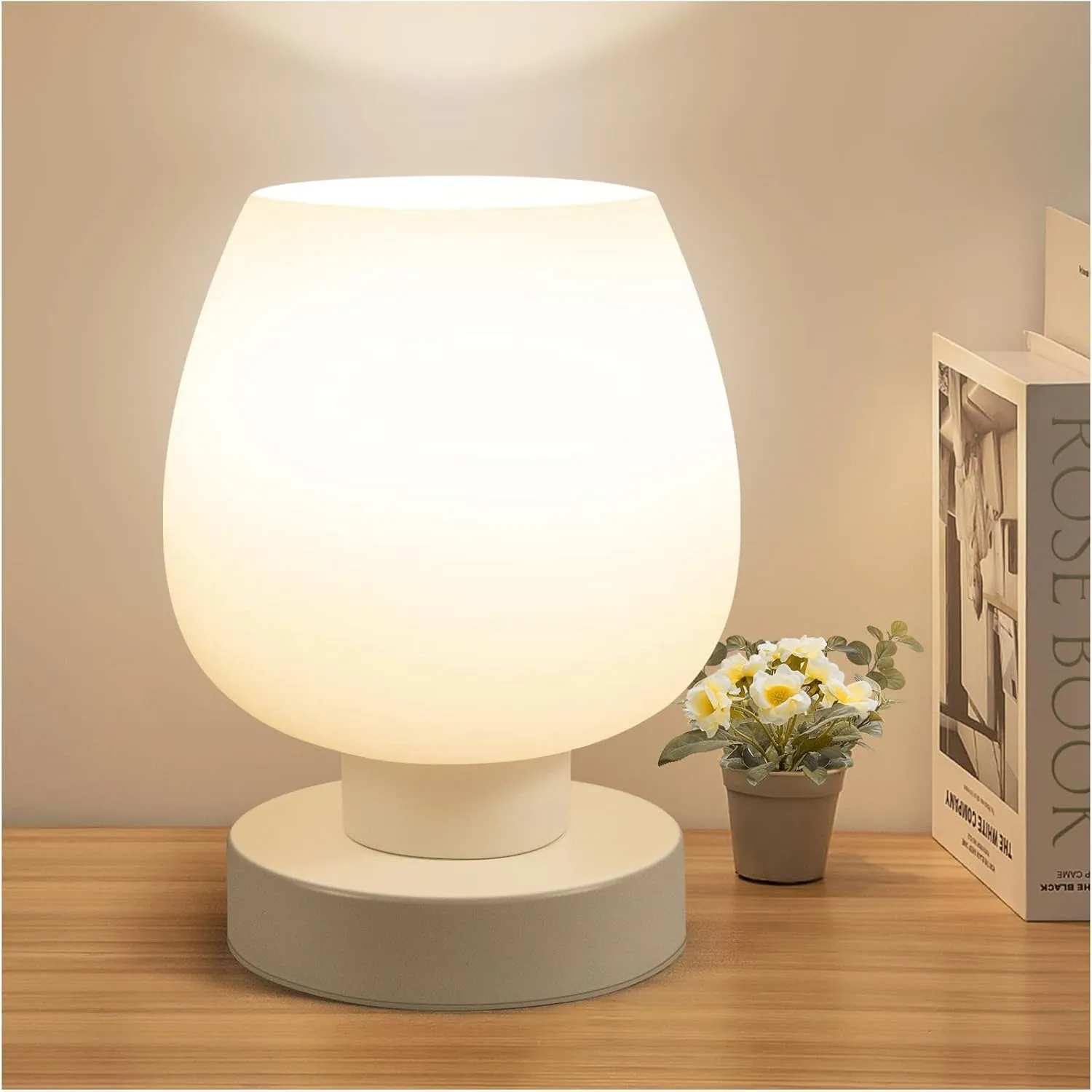
If the bedside surface has room for one useful accent, take a look at the Amazon table-lamp option below.
 |  |
|---|---|
| |
9. Keep the Dining Centerpiece Low and Easy to Move
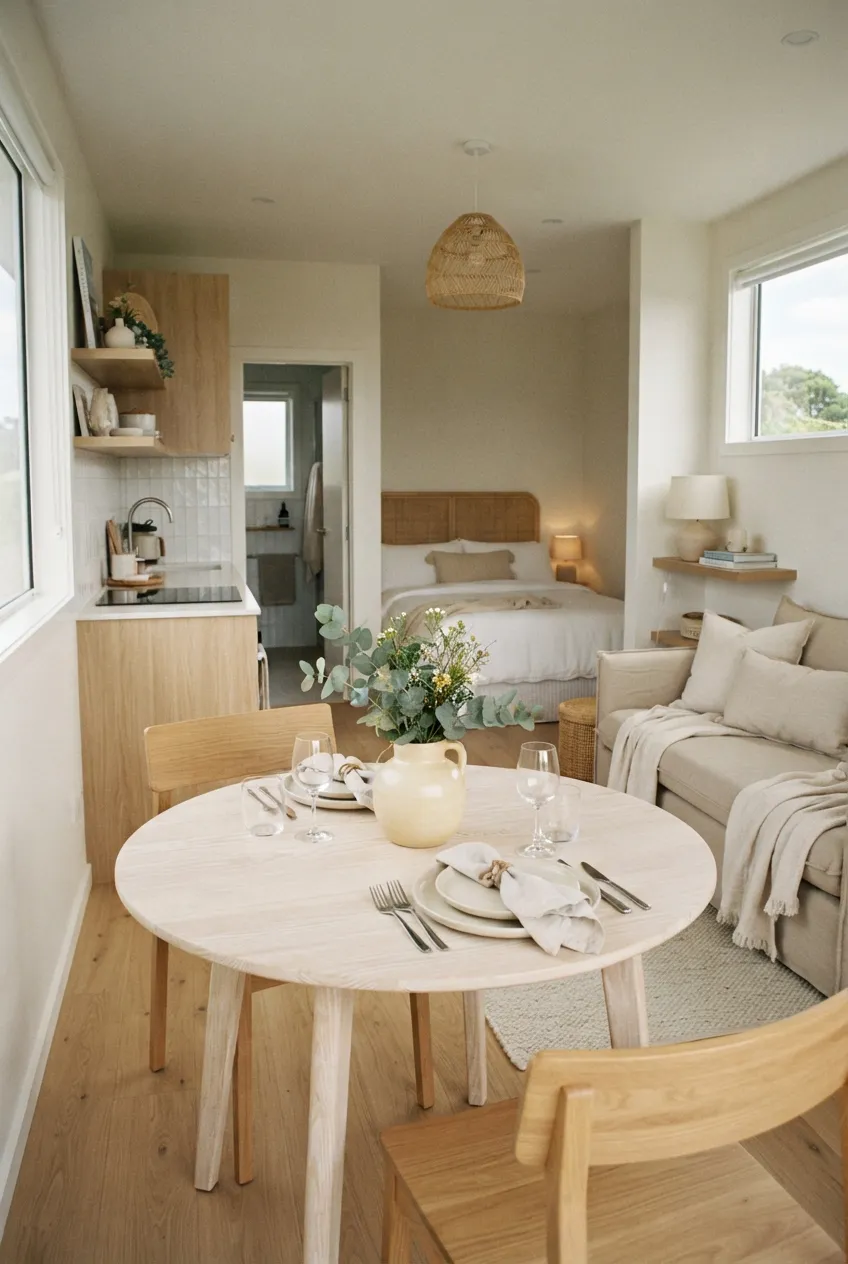
On a small dining table, one low vase or bowl can mark the eating zone when the table is not in use. Keep the centerpiece below seated eye level so people can talk across the table, and light enough to move before a meal. A table that also serves as a desk needs even more free area.
Test the setup with plates, glasses, and a pulled-out chair. If the centerpiece has nowhere safe to go during dinner, it is too large for that surface. The studio dining area ideas cover table position and chair clearances.
10. Add a Small Welcome Detail at the Entry
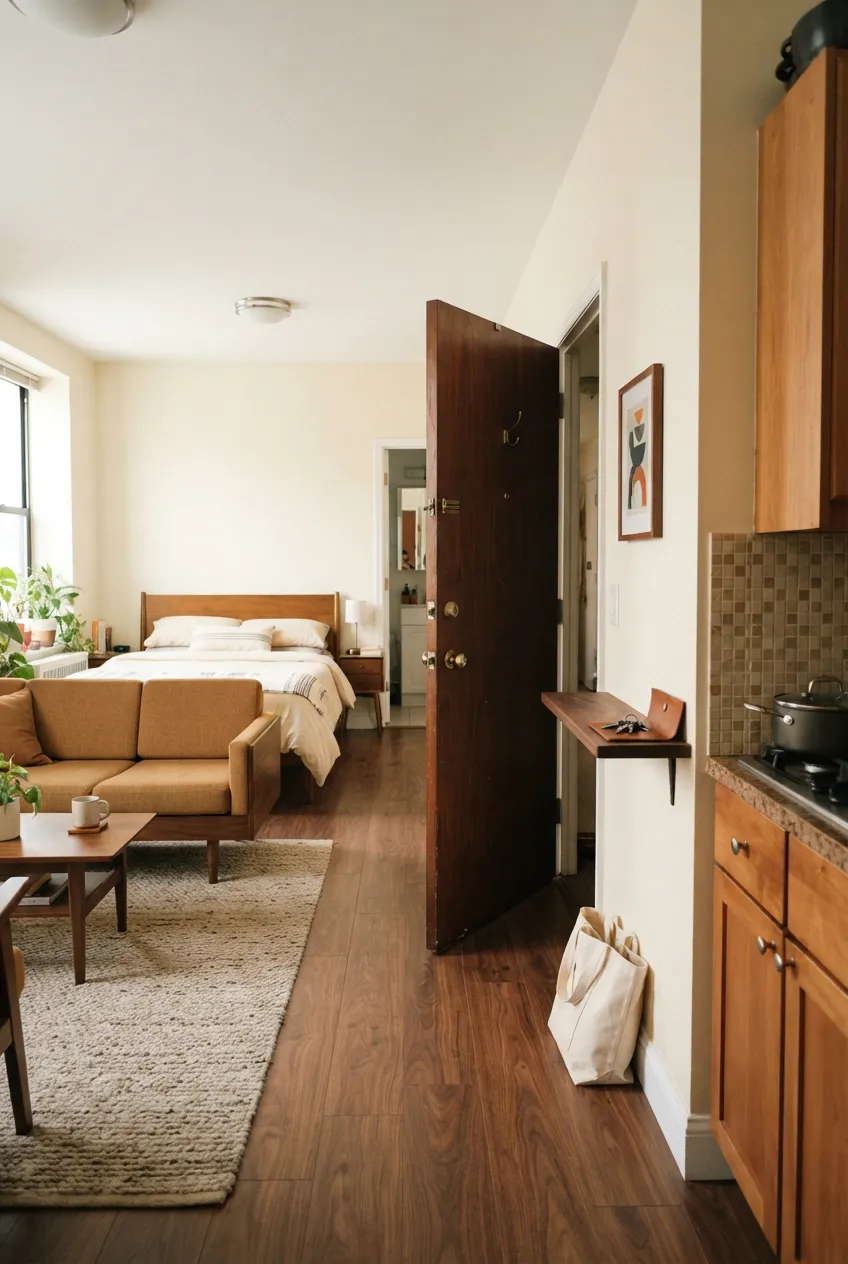
Even without a separate foyer, the entry can show one personal detail: a small framed photo on an existing shelf, a modest ceramic bowl on a stable ledge, or a print on a permitted wall. Choose an item that does not compete with keys, bags, and shoes for the same tiny spot.
Open the front door fully and carry groceries through before keeping the display. Nothing should project into the entry route or make the door difficult to use. For storage and furniture at the threshold, the studio entryway ideas tackle those practical needs.
11. Keep the Desk Accent Outside the Work Zone
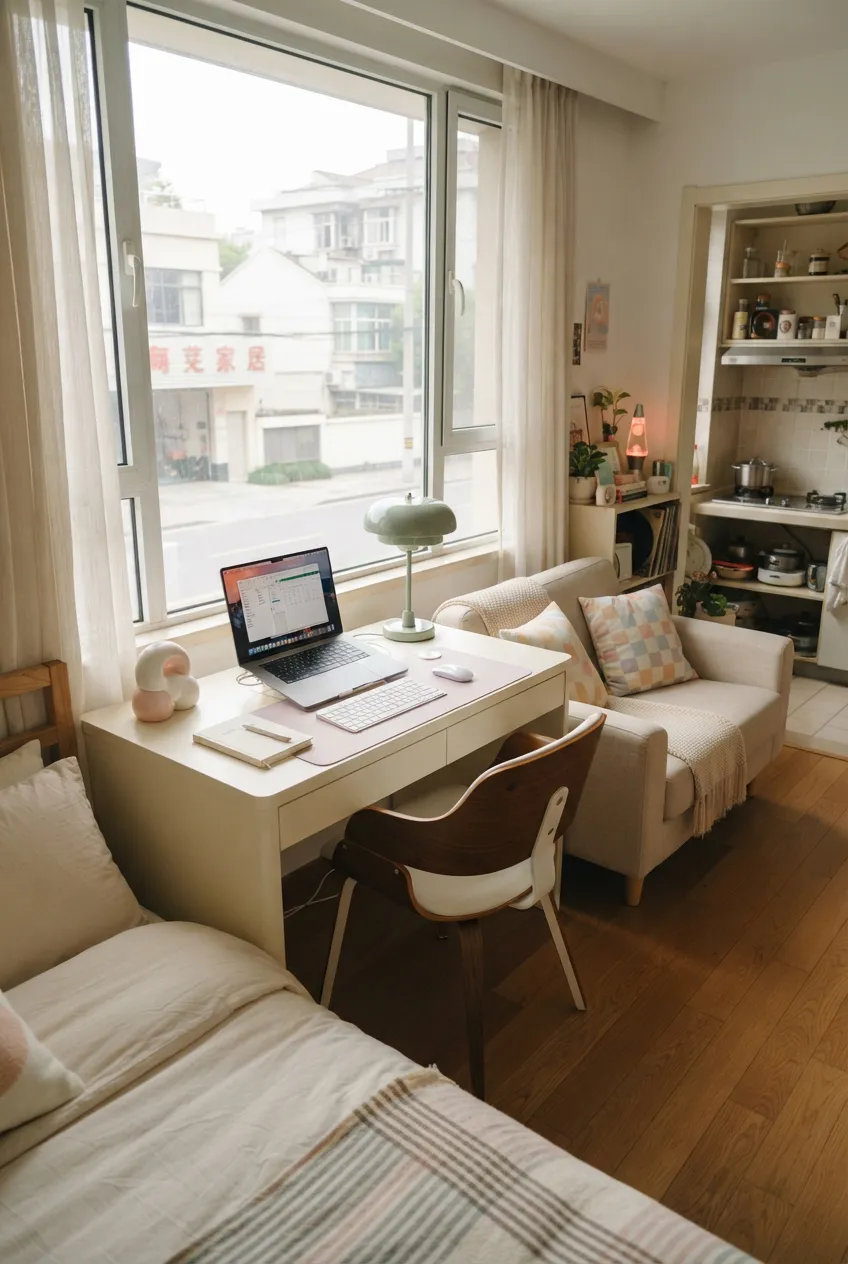
A small photograph or object can make a desk feel like part of the home, provided it stays outside the area needed for a laptop, notebook, and task light. Set it at the back corner or on an existing upper shelf where it will not force the screen closer or block the window.
Pull out the chair, open the desk drawer, and work for a few minutes with the accent in place. If you keep moving the object to make room, display it elsewhere. The studio workspace ideas address desk placement and working clearances.
12. Rotate Seasonal Pieces Into the Same Display Spots
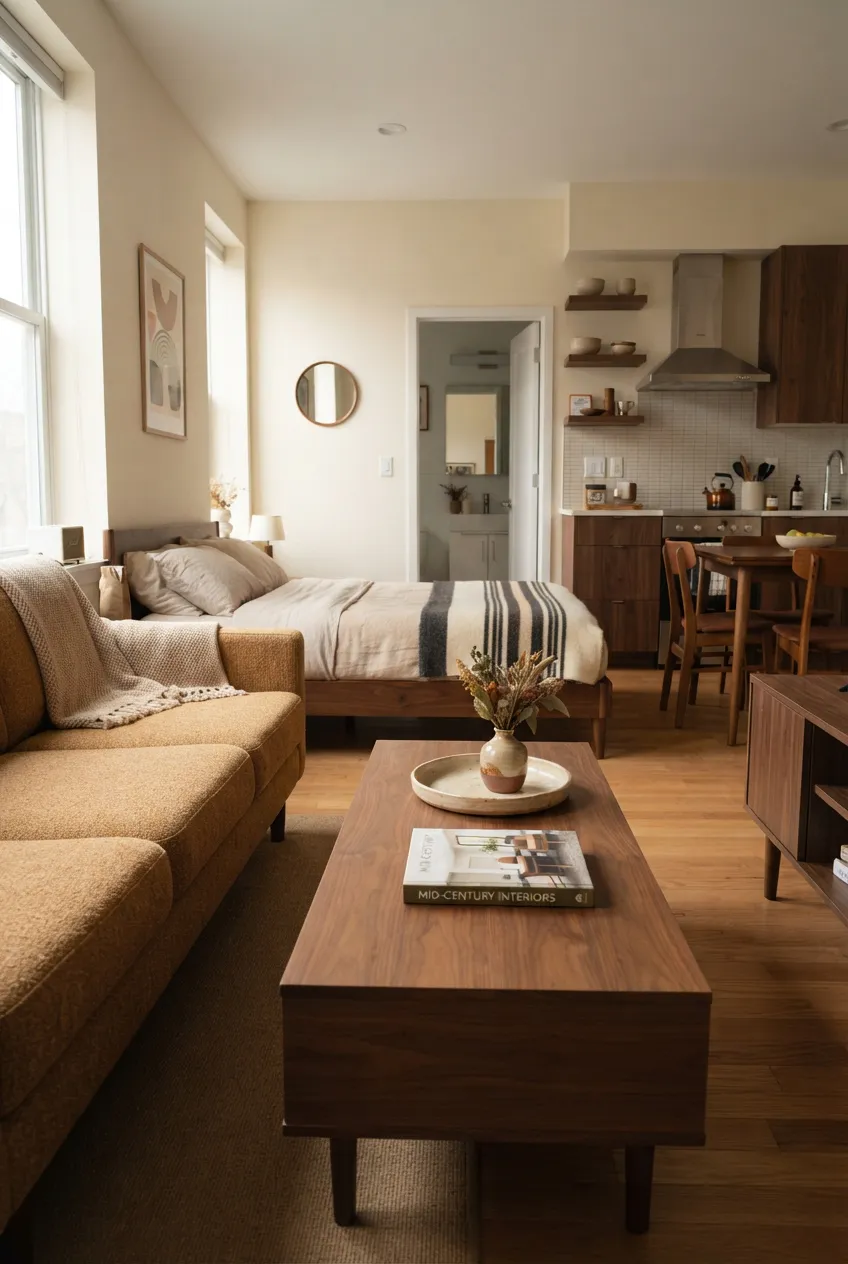
Give seasonal or newly found objects one or two established places: perhaps the tray, a shelf, or the dining centerpiece position. When something new goes in, take the previous display item away. This keeps the room personal without adding another surface or a new cluster of objects each season.
Store the pieces you want to keep in a suitable place and let the current selection be easy to notice. You can change the mood of the studio without changing its furniture layout or covering the spaces you rely on every day.
Final Thoughts
A studio does not need every empty surface decorated. Choose a few objects you value, place them where they can be seen, and test each spot against the way you actually use the room. Art, textiles, a tray, a lamp, or a plant can all make the space feel like yours when doors still open, seats stay usable, and tables still have room for daily life.
More Studio Apartment Ideas
 |  |  |
|---|---|---|
Elevated Studio | Maximize Space | Cozy Studios |